
In 2023 I was living in Bonaire, scuba diving, and looking for a coral research project I could do. I had picked up some photogrammetry skills working with ReefRenewal and figured if I could do small 100 square meter scans in California, why not do 2000 square meter scans in the Caribbean? The answer is because managing that much data is way harder than I thought it would be. TagLab would only let us view tiny parts of each scan, requiring us to slice things up into very inconvenient chunks. And although I was working with STINAPA, the national parks of Bonaire, we didn't have the budget for a fancy cloud server, and our Azure file share kept choking on the 10+ GB scans. We had like 18 of them. The project stalled. Fast forward to now, I'm vibe coding projects left and right and I thought maybe I could build the tool we didn't have back then. So I started pushing Claude around in VSC with a plan I crafted with Gemini. Does this sound crazy? yes. Did it work? yes. Almost none of the original plan survived but I'm now streaming gigabytes of high resolution coral data to a browser near you. Read on...
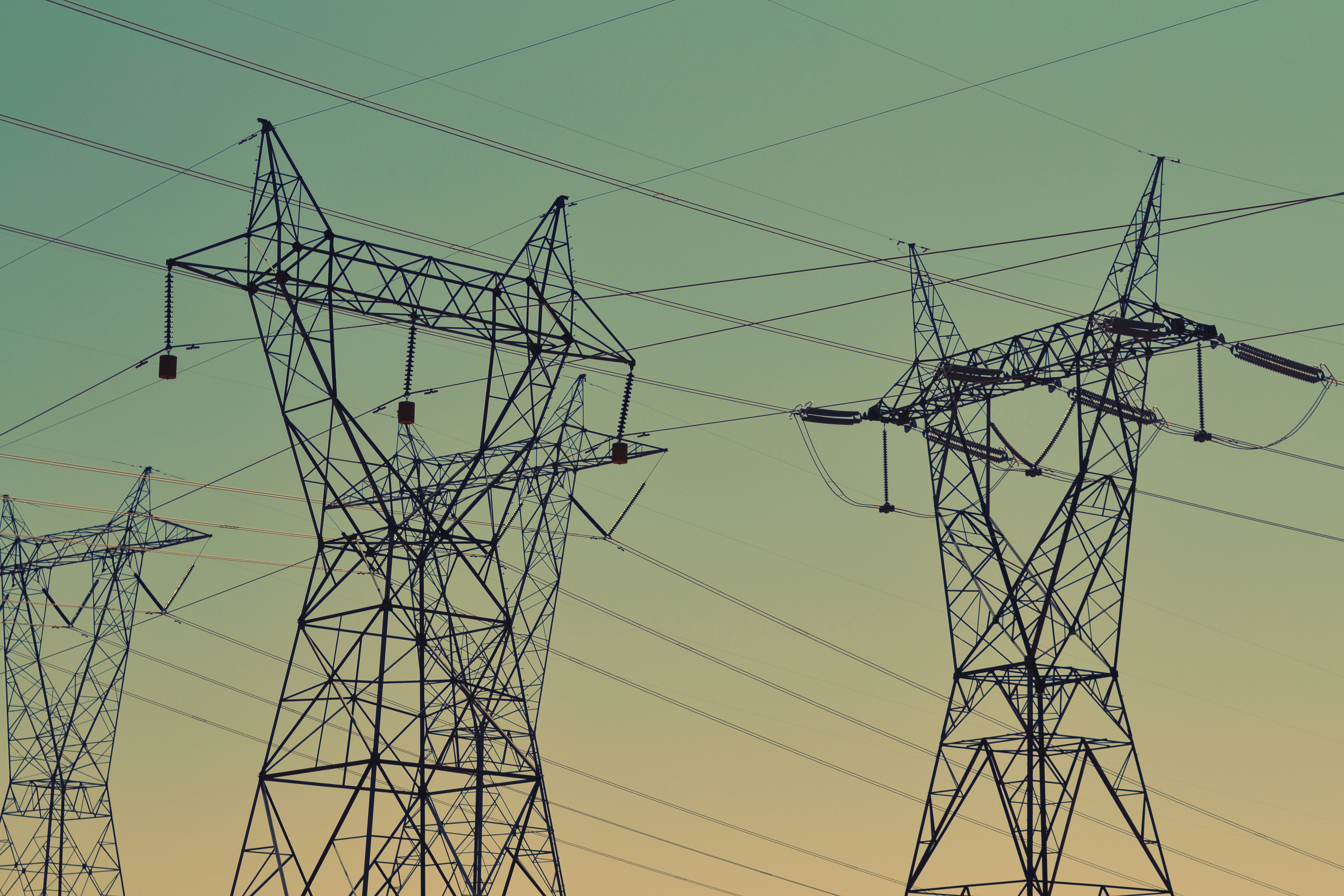
I was in a Work on Climate call when it came up that in Sydney, certain hours of the day would soon have free energy due to renewables surplus. The idea of pulling up a website and seeing your local energy mix and price by hour seemed like a useful and fun project. And I was looking for something to vibecode. So I cracked my laptop and built mixfix.zone. A friend told me he was one-shotting project apps off a single prompt. I figured I'd give it a go and got back almost unusable garbage. No real data, just hard-coded invented numbers. No location lookup, no dynamic anything. Turns out where your energy comes from is a deceptively simple question. The US has three major grids subdivided into Balancing Authorities, Zones, and Nodes — a mismatched overlapping pile of regional operators and utilities with no single public source for granular data. I dug into the EIA's open API for the energy mix and Grid Status for zone-level pricing. Meanwhile Claude started generating mock data when the API tripped and failed to tell me. It wasn't until New York was reporting a lot of solar generation that I caught it. Read on...