Early career
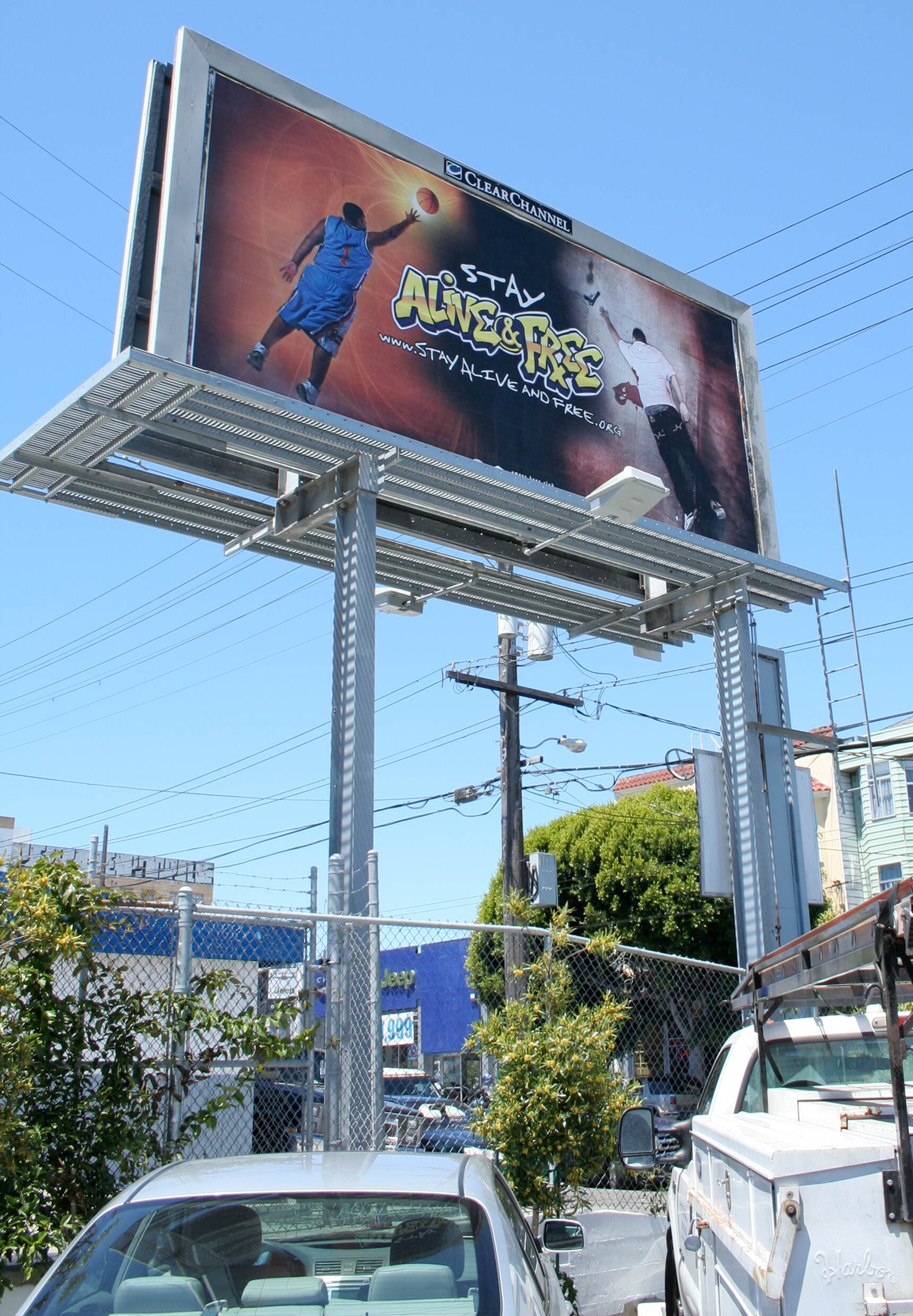
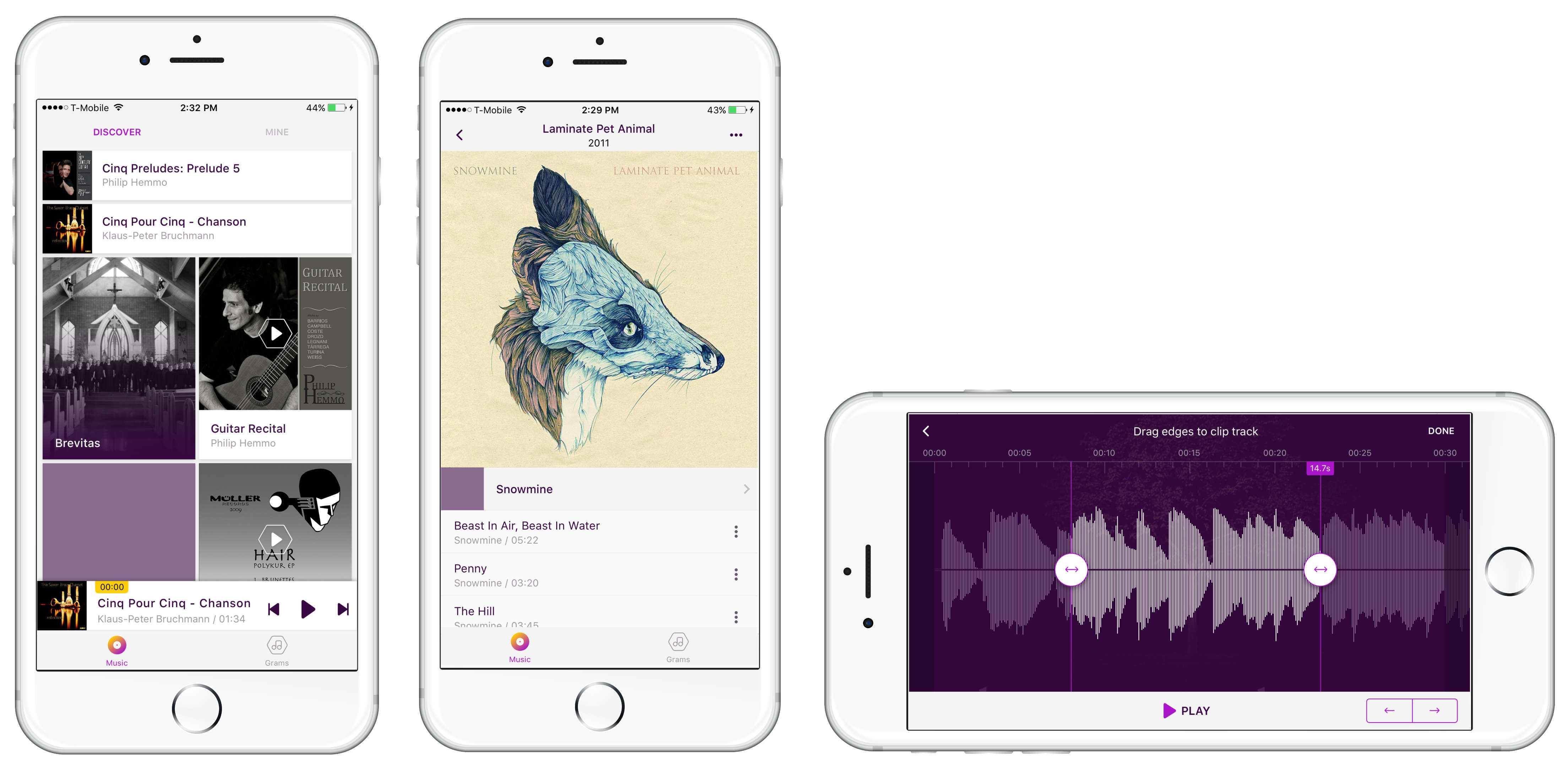
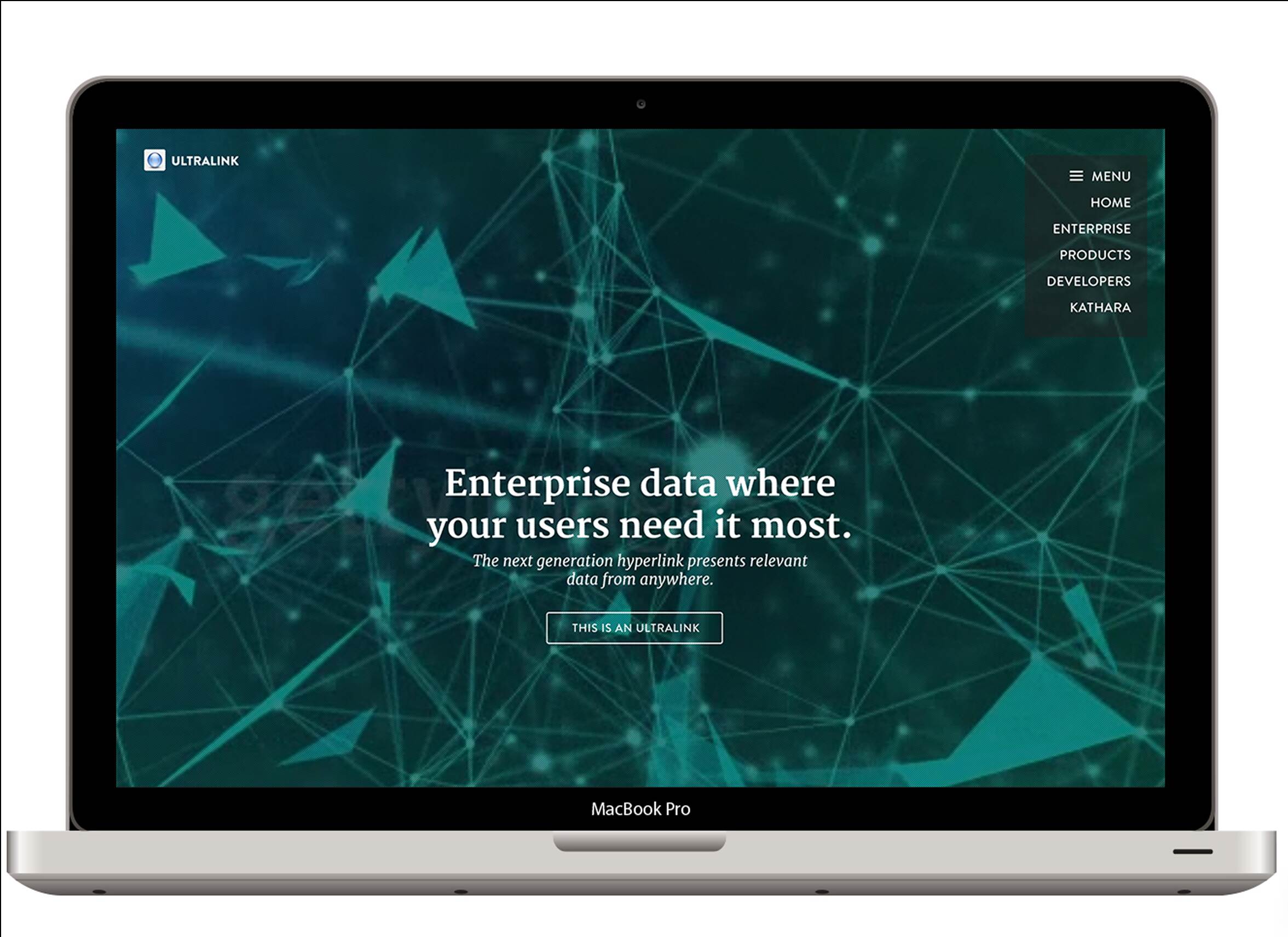
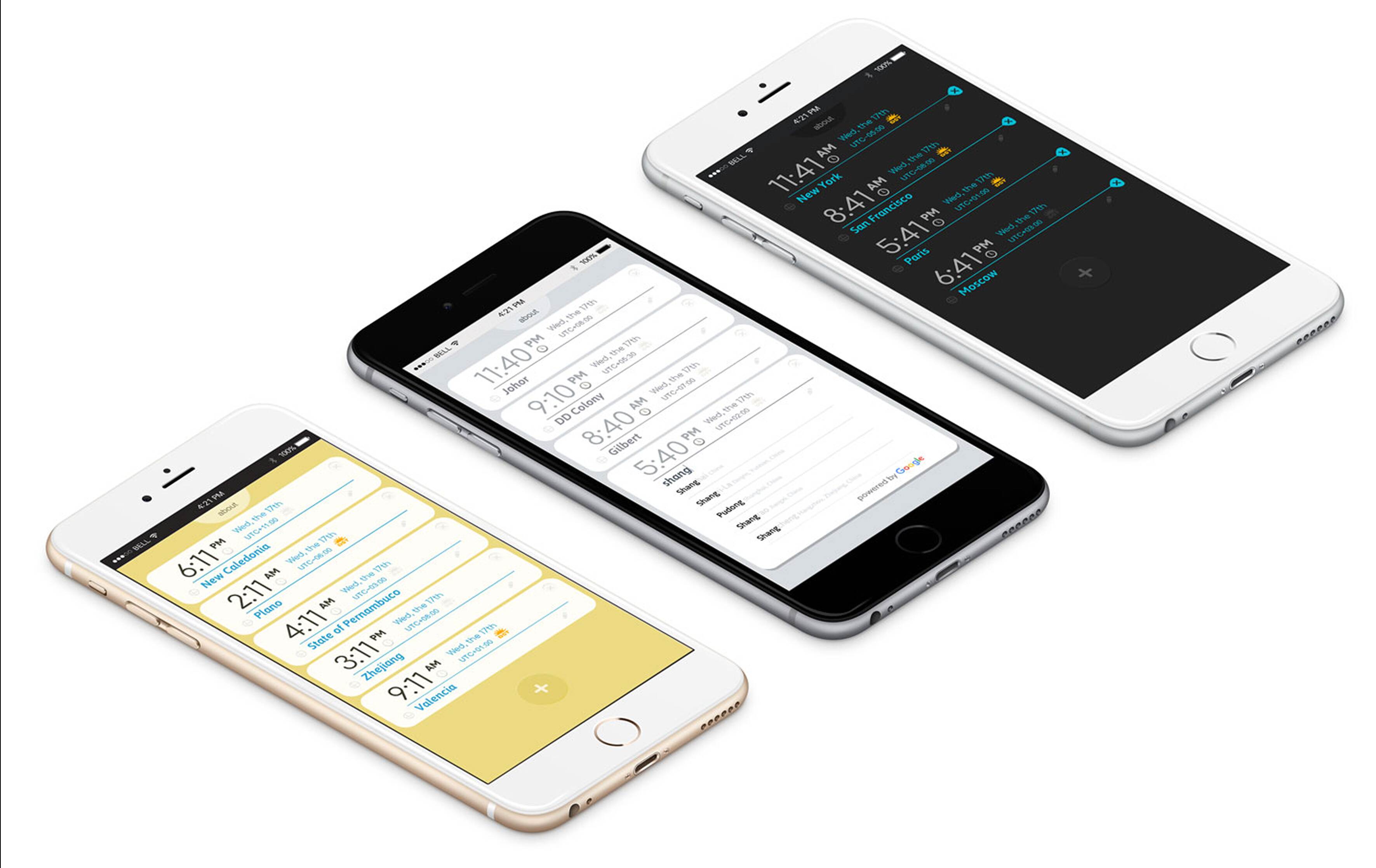
My first studio job was here in San Francisco, at a studio and media school called BAYCAT. I worked for the studio producing graphic arts for NGOs, public works, and social justice campaigns. I directed photo shoots, managed campaigns, and produced print and digital works. We held events, produced gallery work, and were a close knit group who cared about the community we were supporting. I also taught classes in the schools media program, leading the digital skills program. I taught digital media skills to adults, I started the games program at the school (we did flash games), and I taught the intro to programming course. I focused more and more on digital works. In this era I was doing a lot of marketing websites, web applications, and native iPhone apps. I worked for many creative studios, startups, and freelance clients throughout the Bay area. One of the startups I was involved in built a global volunteer network, connecting volunteers with opportunities around the world.
Education and Games
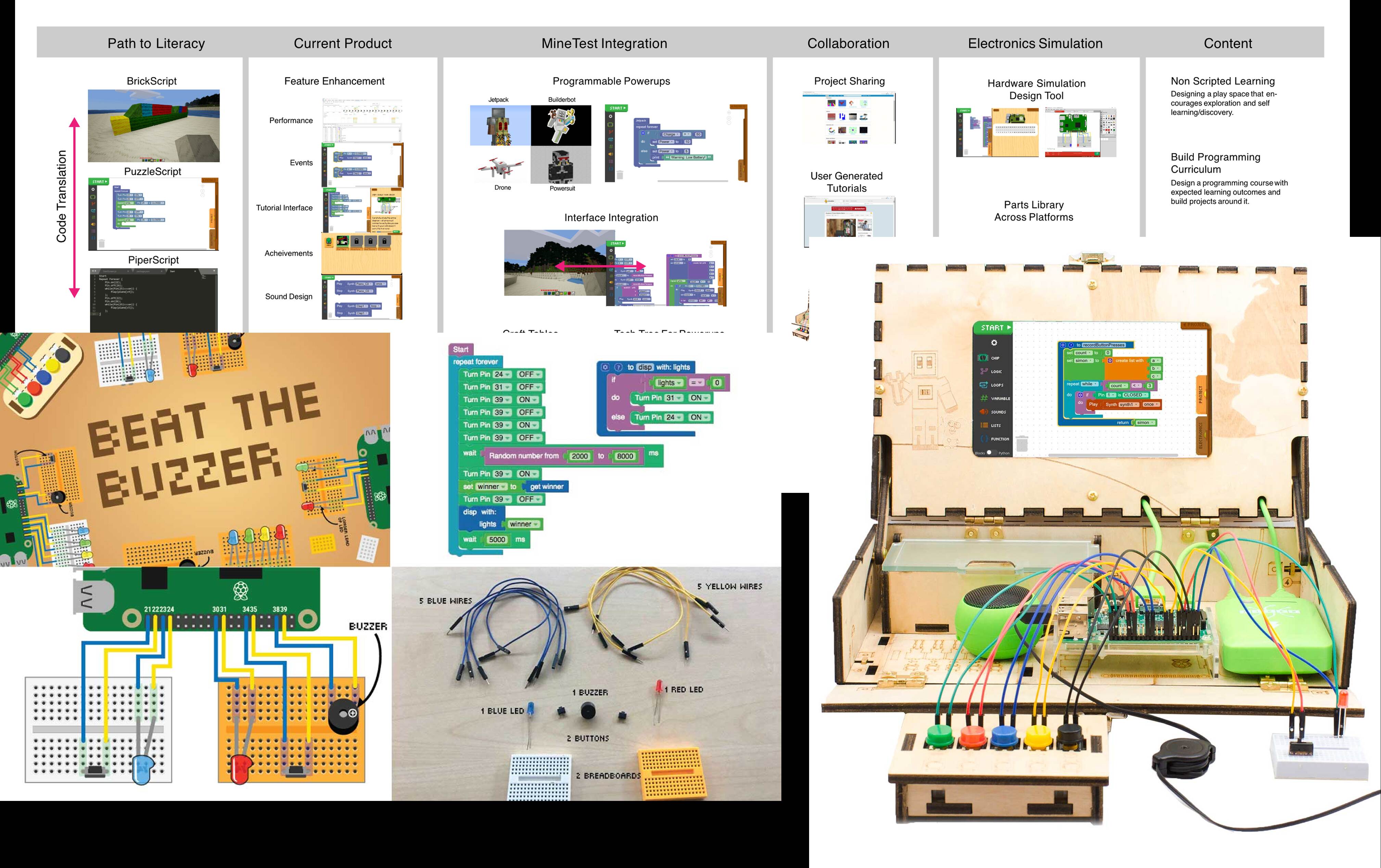
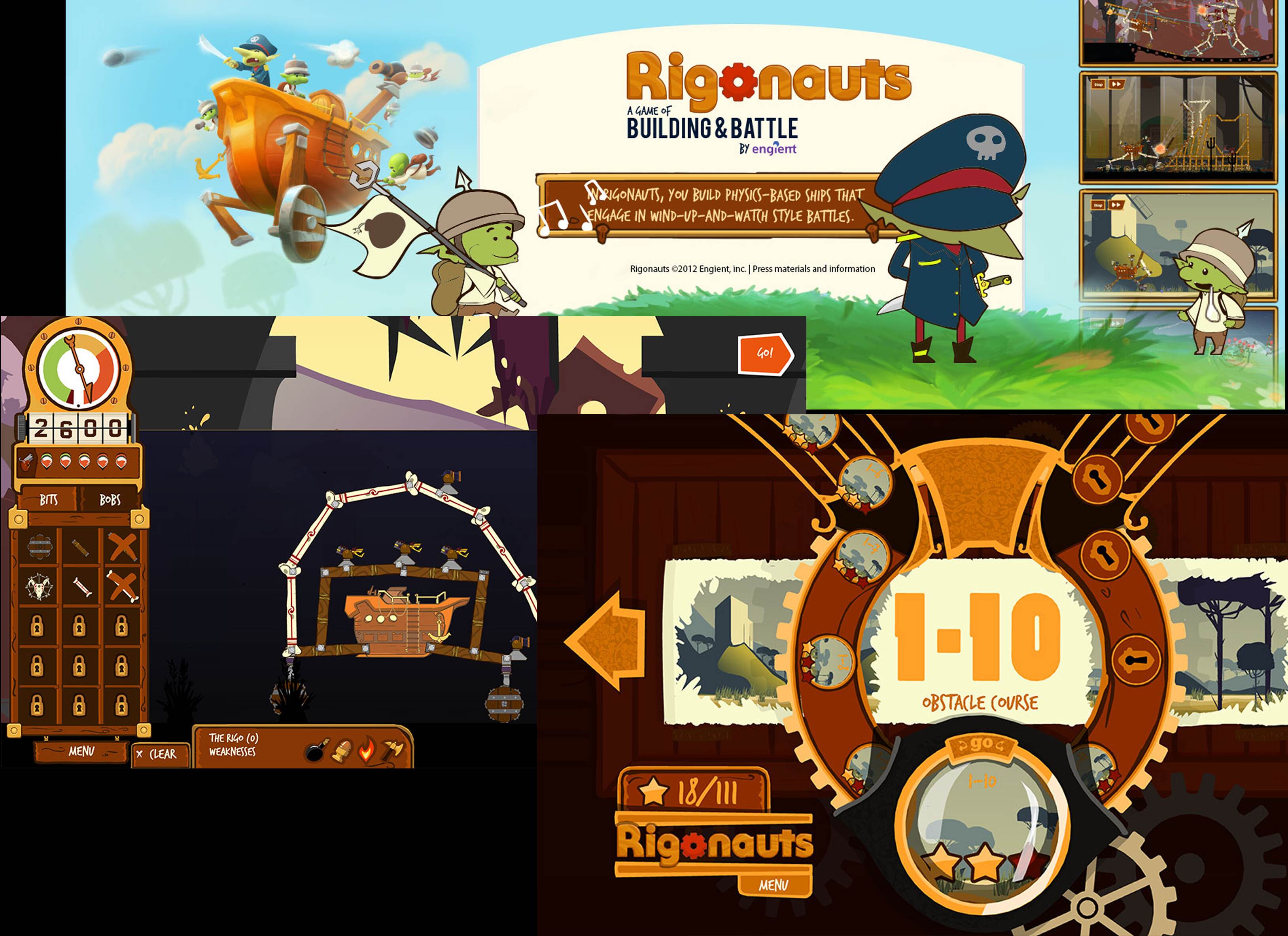
I worked in other platforms as well. Piper computers is a raspberry pi computer kit. I led the design of a custom OS for the Piper computer kit, as well as learning to code educational experiences on the computer. I helped form the longterm vision for the platform as well, with game integration, collaborative features, and content library strategy roadmapping. I also worked on interface and artwork for windows games, using 2D and 3D tools. These games were developed by independent publishers, and the work was mostly contract based.
Conservation
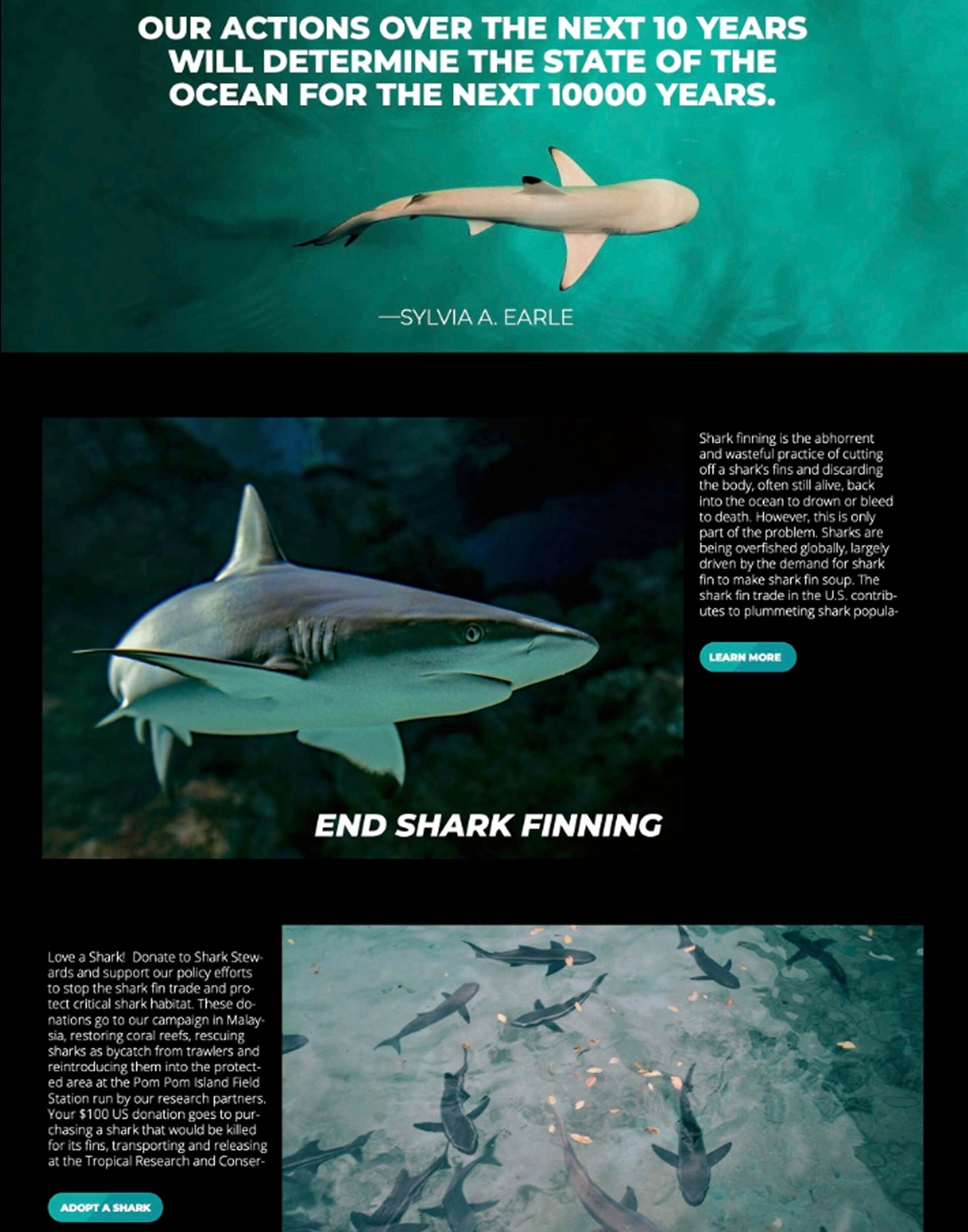
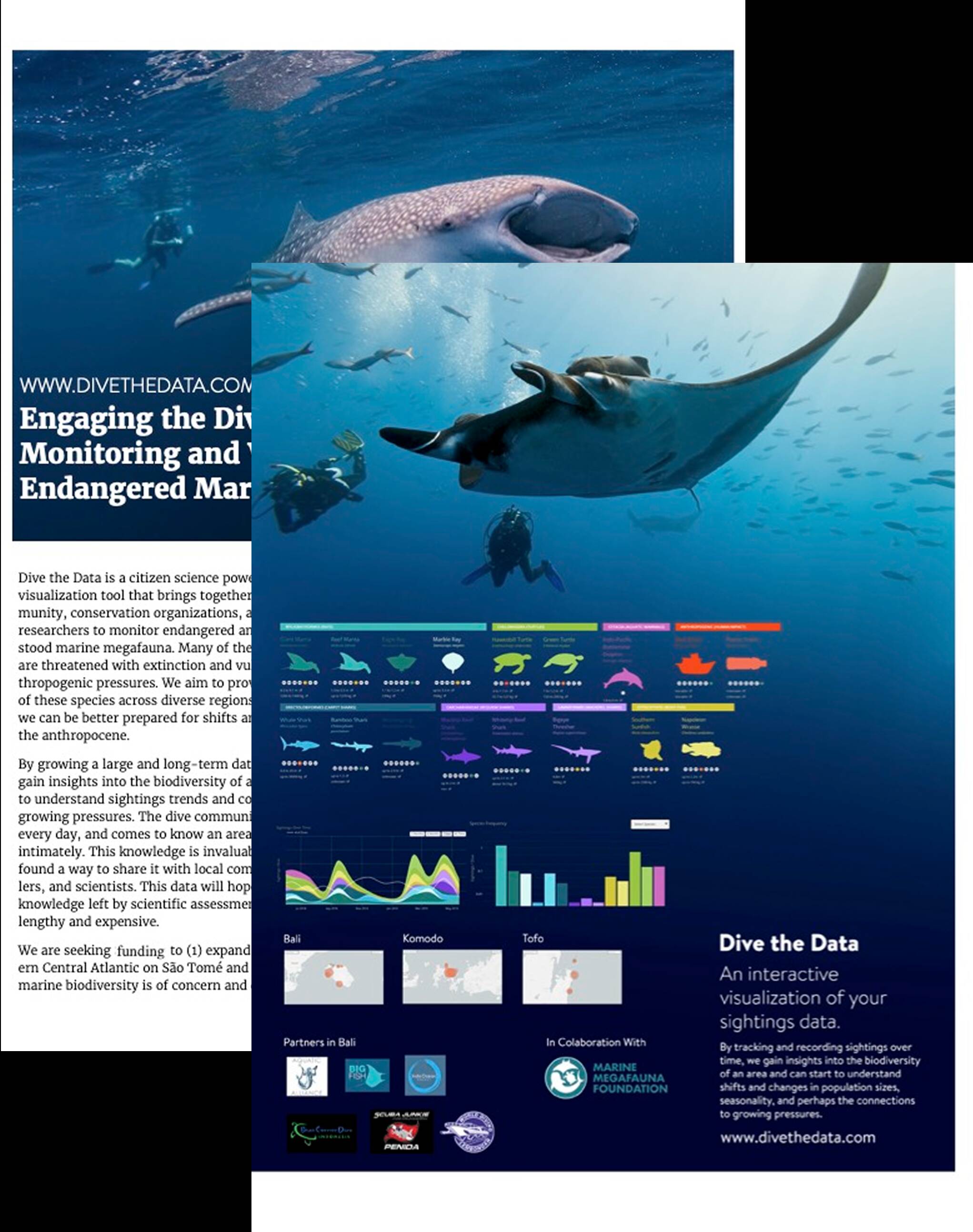
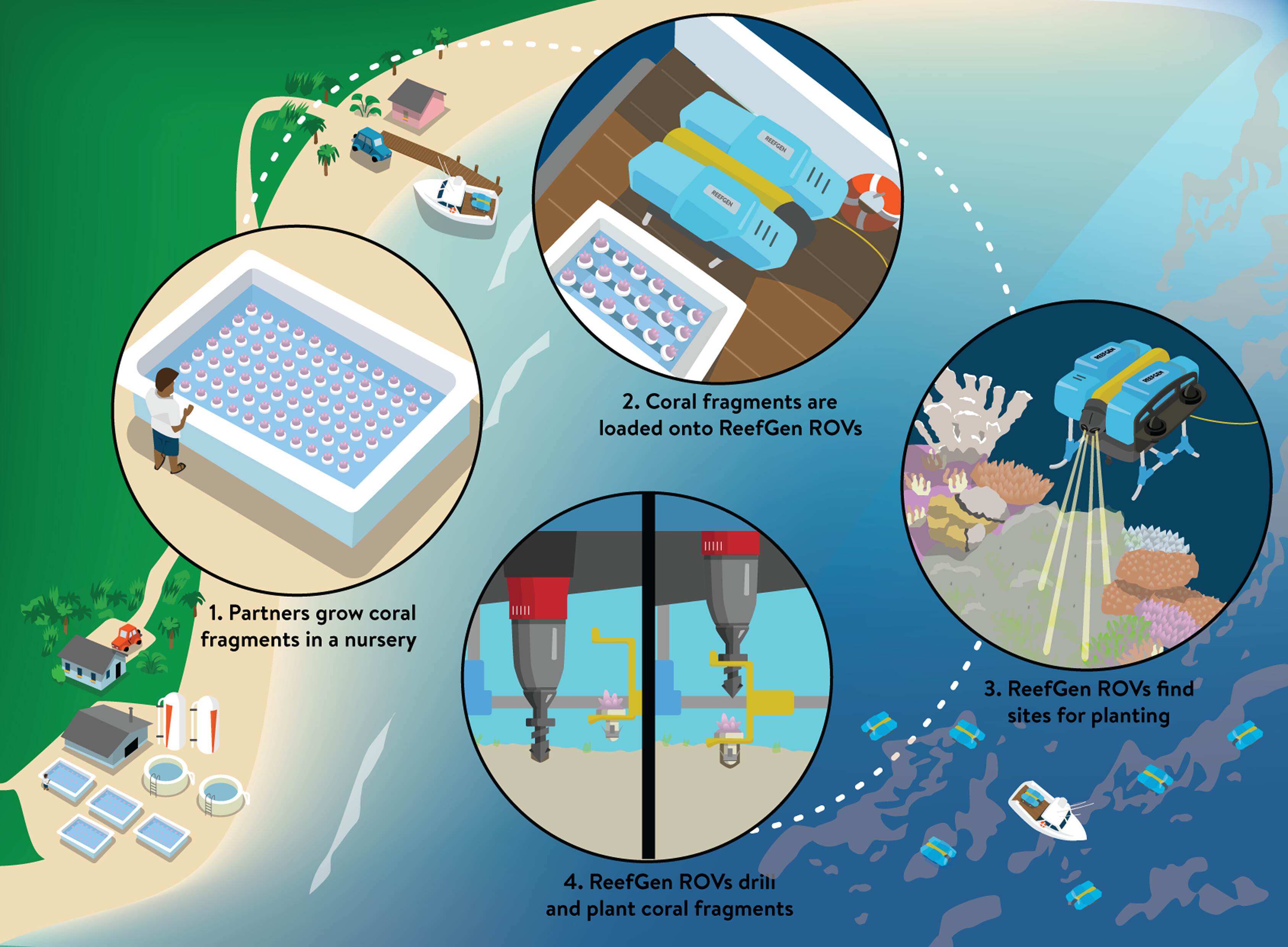
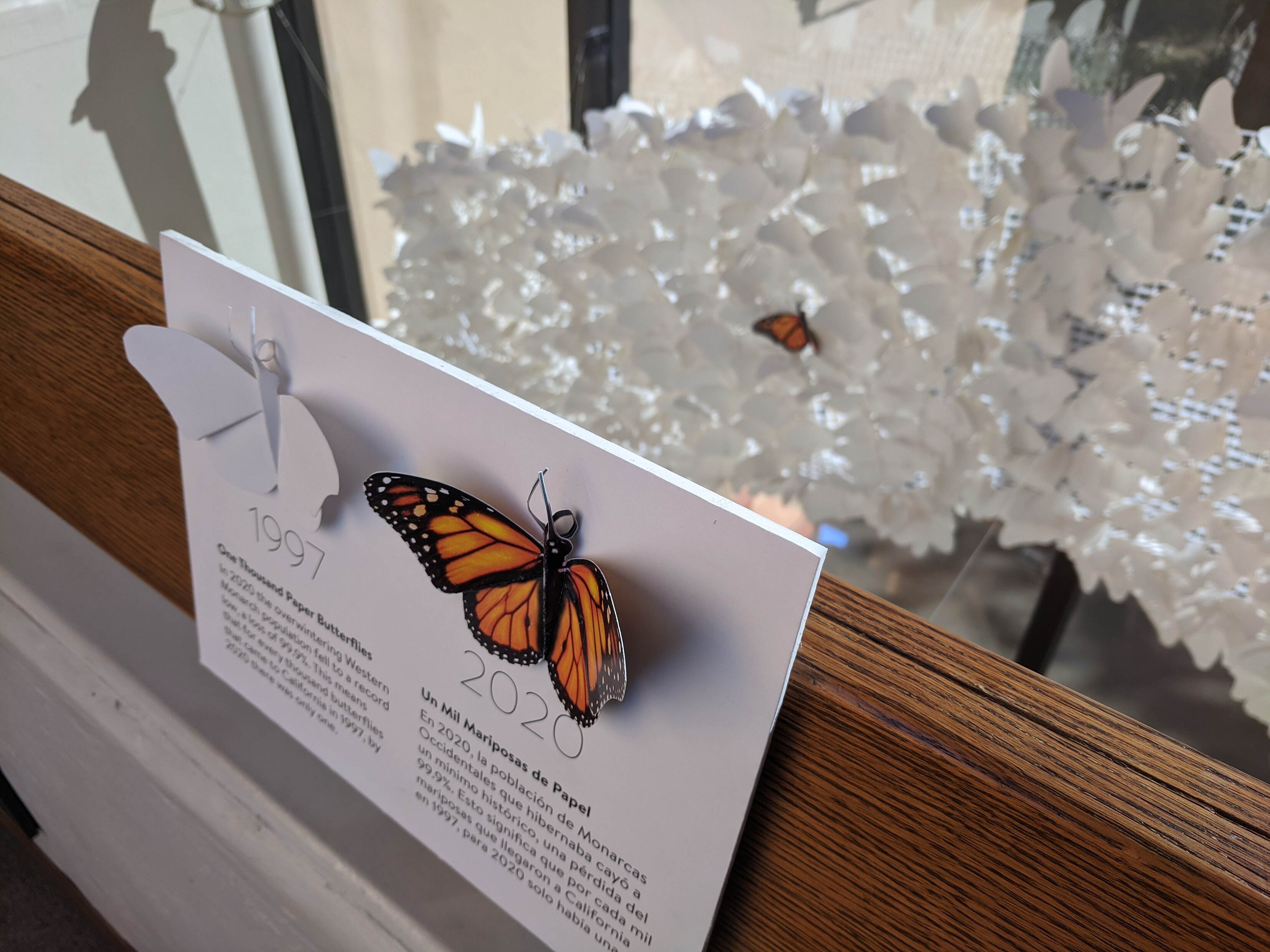
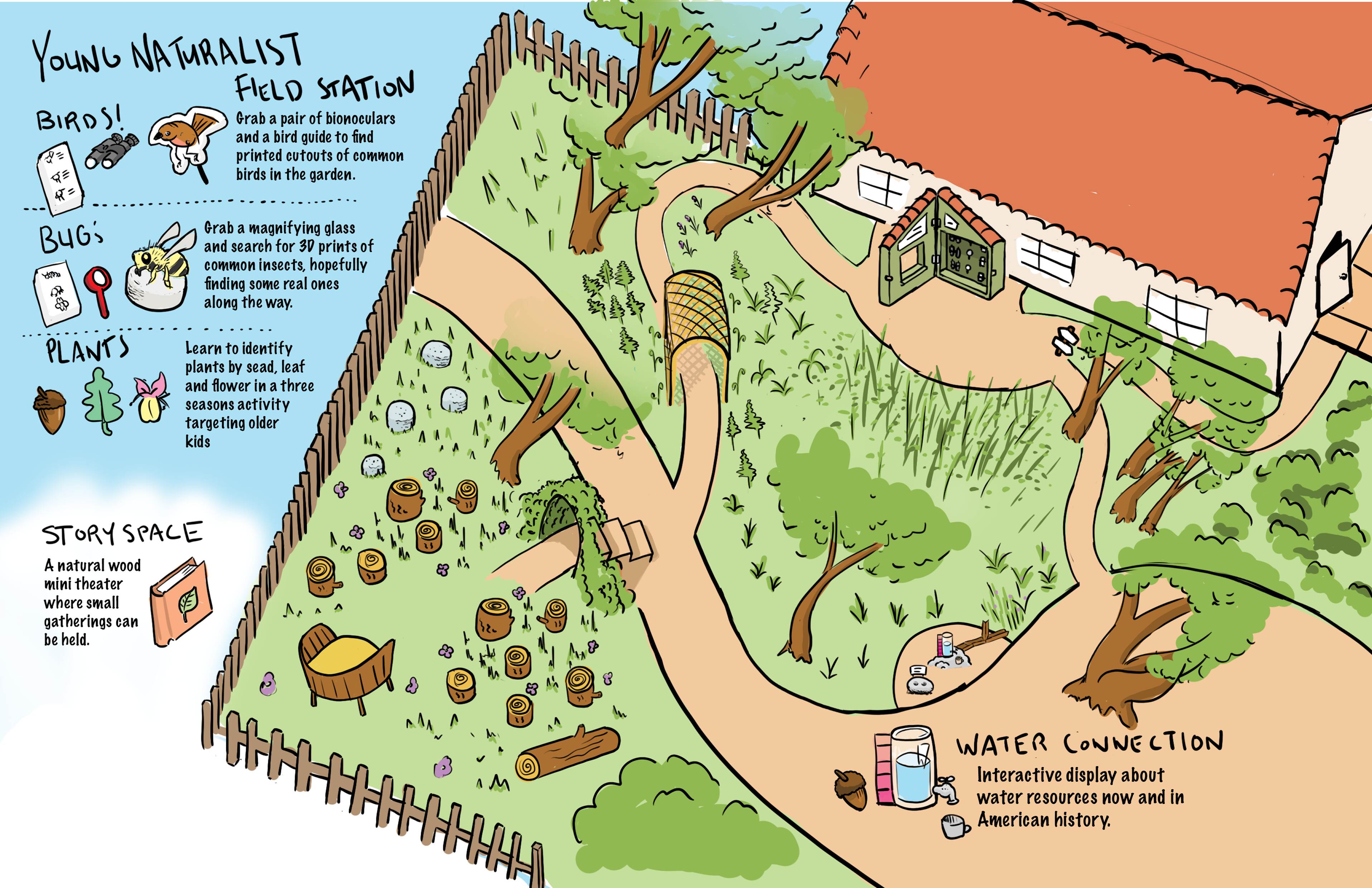
Ocean conservation has always been an important part of my work. Shark Stewards (at the time called Sea Stewards) was the first organization I began to support at first helping with events and promotion and eventually taking the lead on all marketing and communications for the organization. I also served as the communications designer for the Marine Megafauna foundation, leading the design of outreach, grant writing, sponsorship programs and supporting the research team as well.
Enterprise
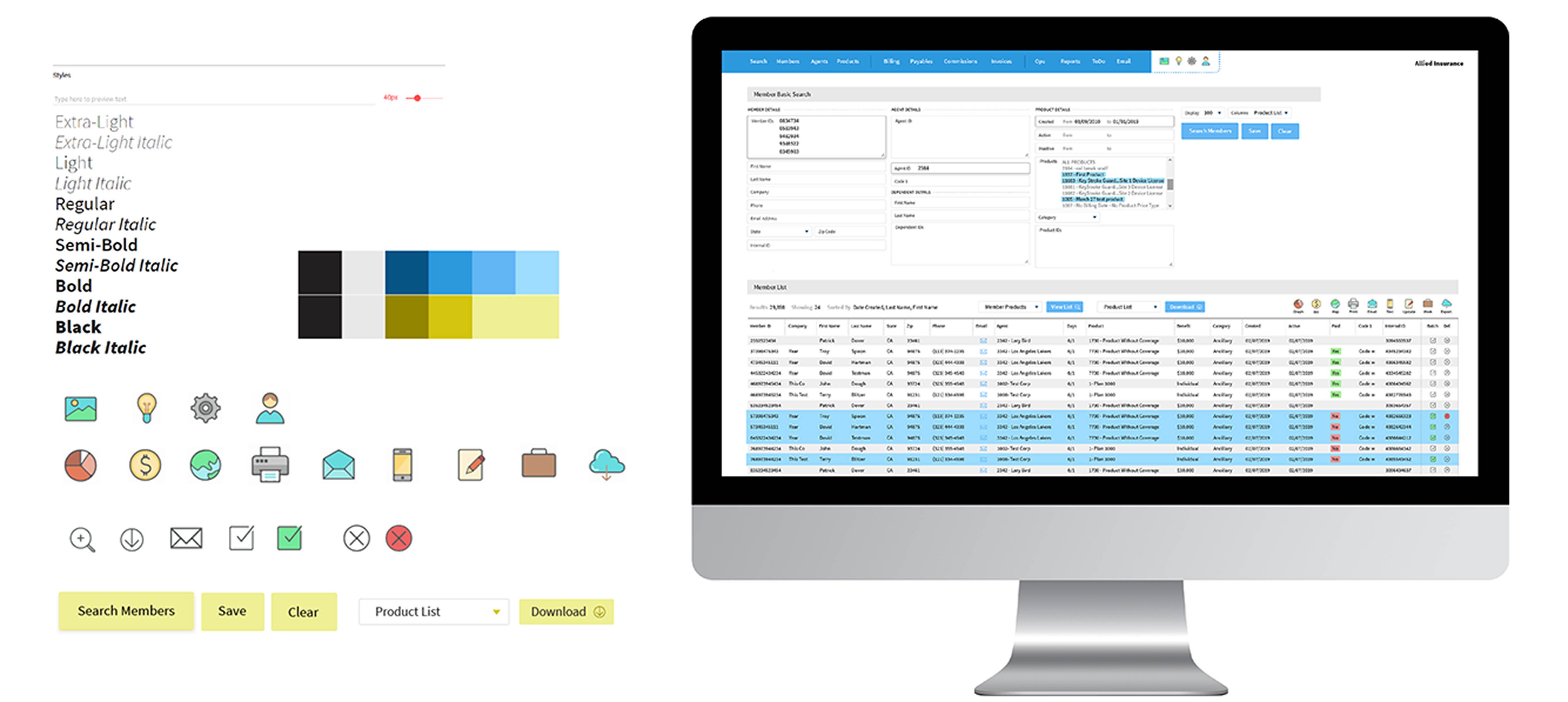
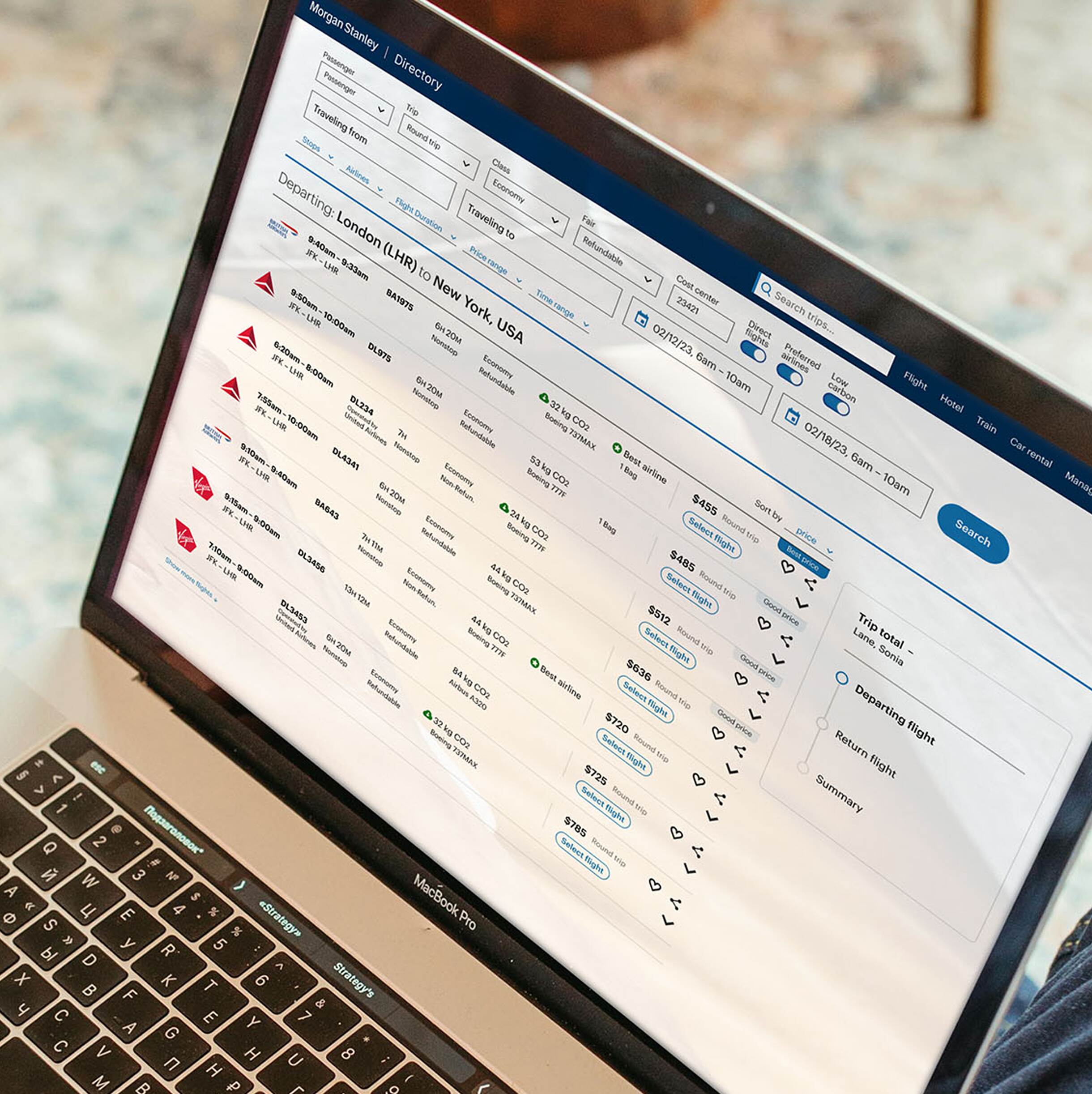
There is a lot of money available in finance, and I’ve used these clients to fund my conservation efforts around the world. The projects in fintech are also generally complex, and interesting problems to solve. My roles at these organizations are generally broad due to my experience and skillset. I generally lead the design effort for my enterprise projects. I decide how much research is needed and run any necessary workshops, interviews, or observation sessions. I set the scope and timelines for the projects, and lead the stakeholder interviews, reviews, developer meetings, or any other meetings necessary to see the product live.
Research
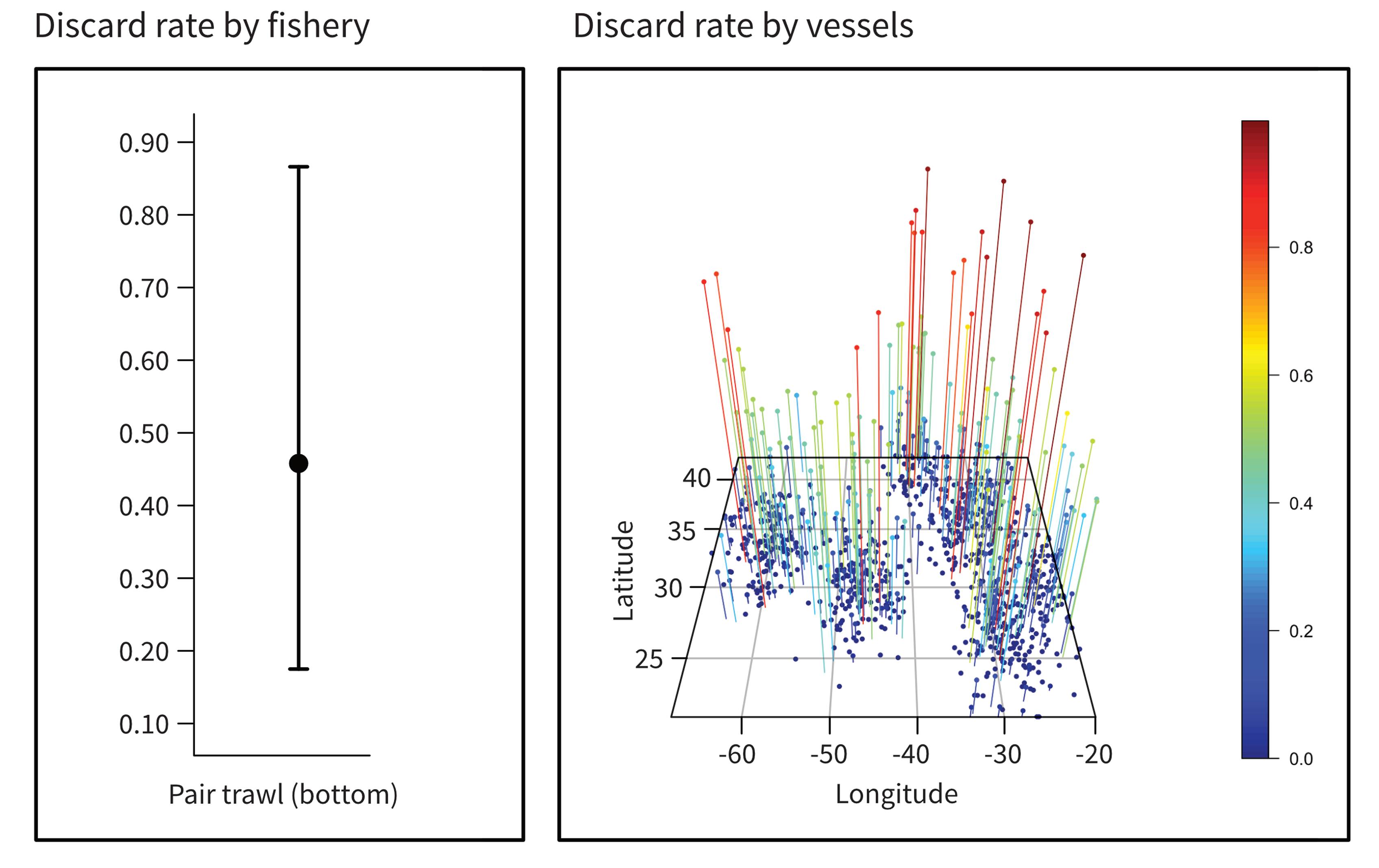
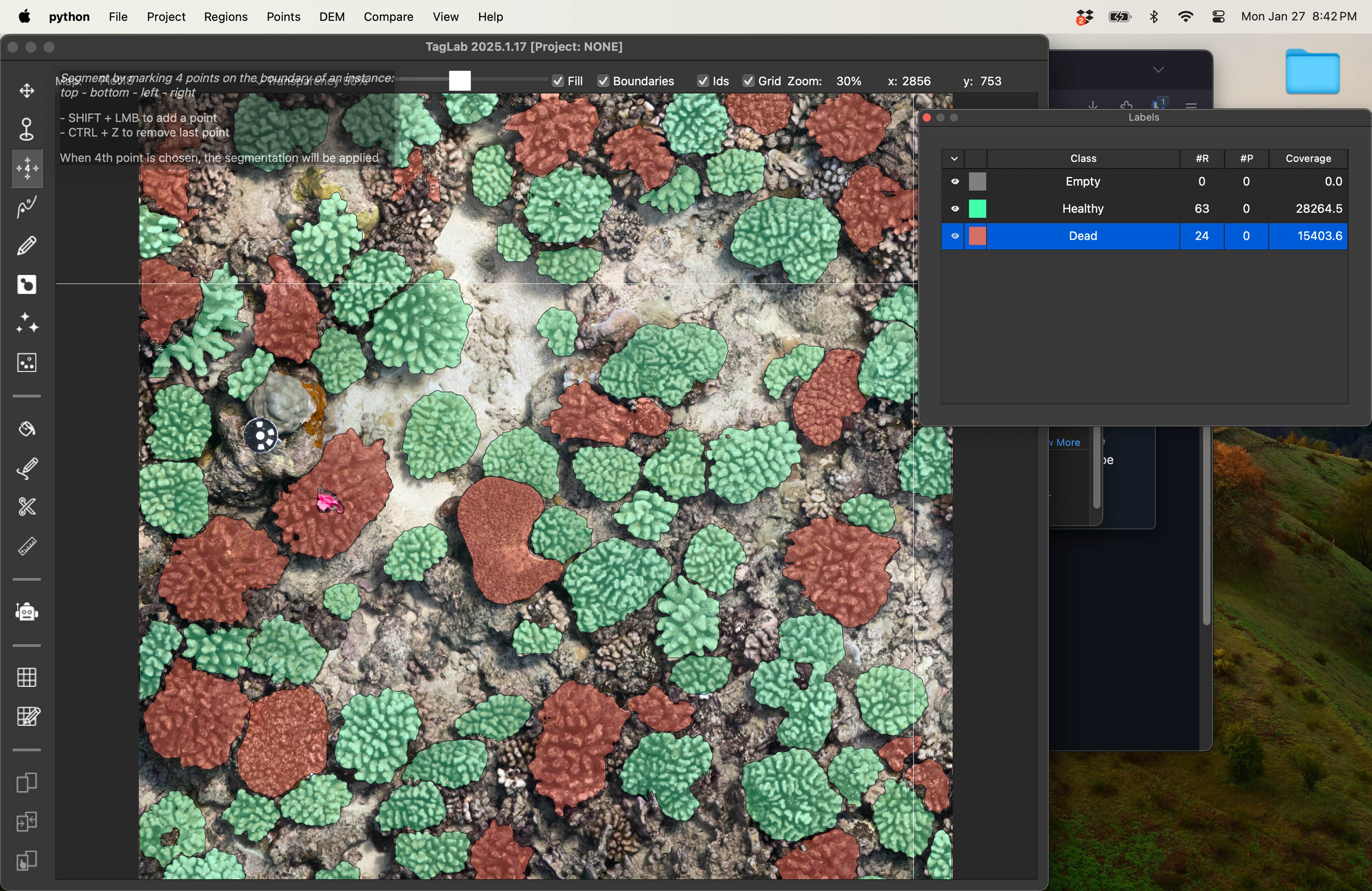
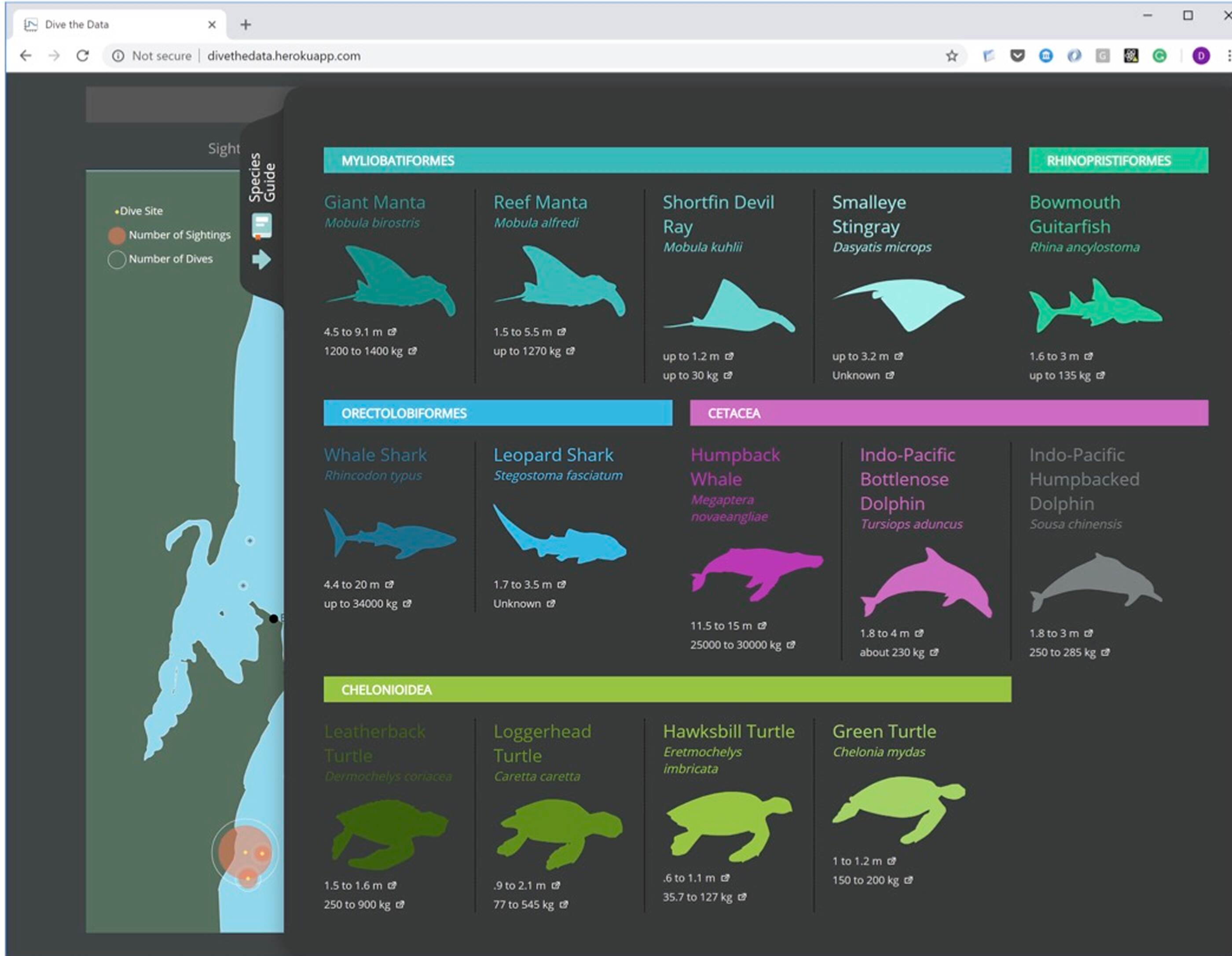
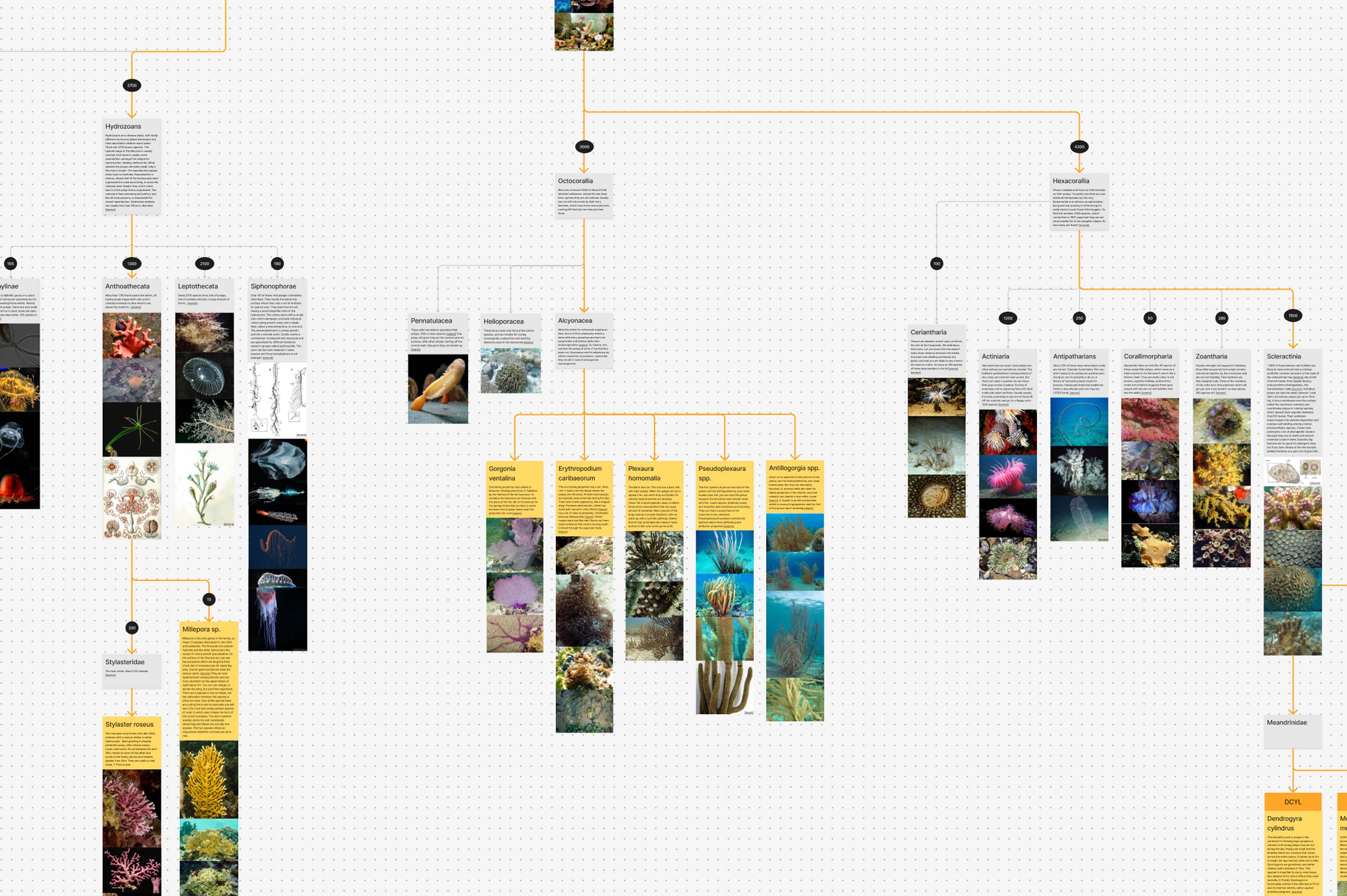
I do a lot of research work in the ocean sciences. These are examples of some of my projects, mostly data visualizations for publications, grant writings and proposals. I also have authored my own research in human health and fisheries. And I have collected data in the field for coral reef research.