Digital Product
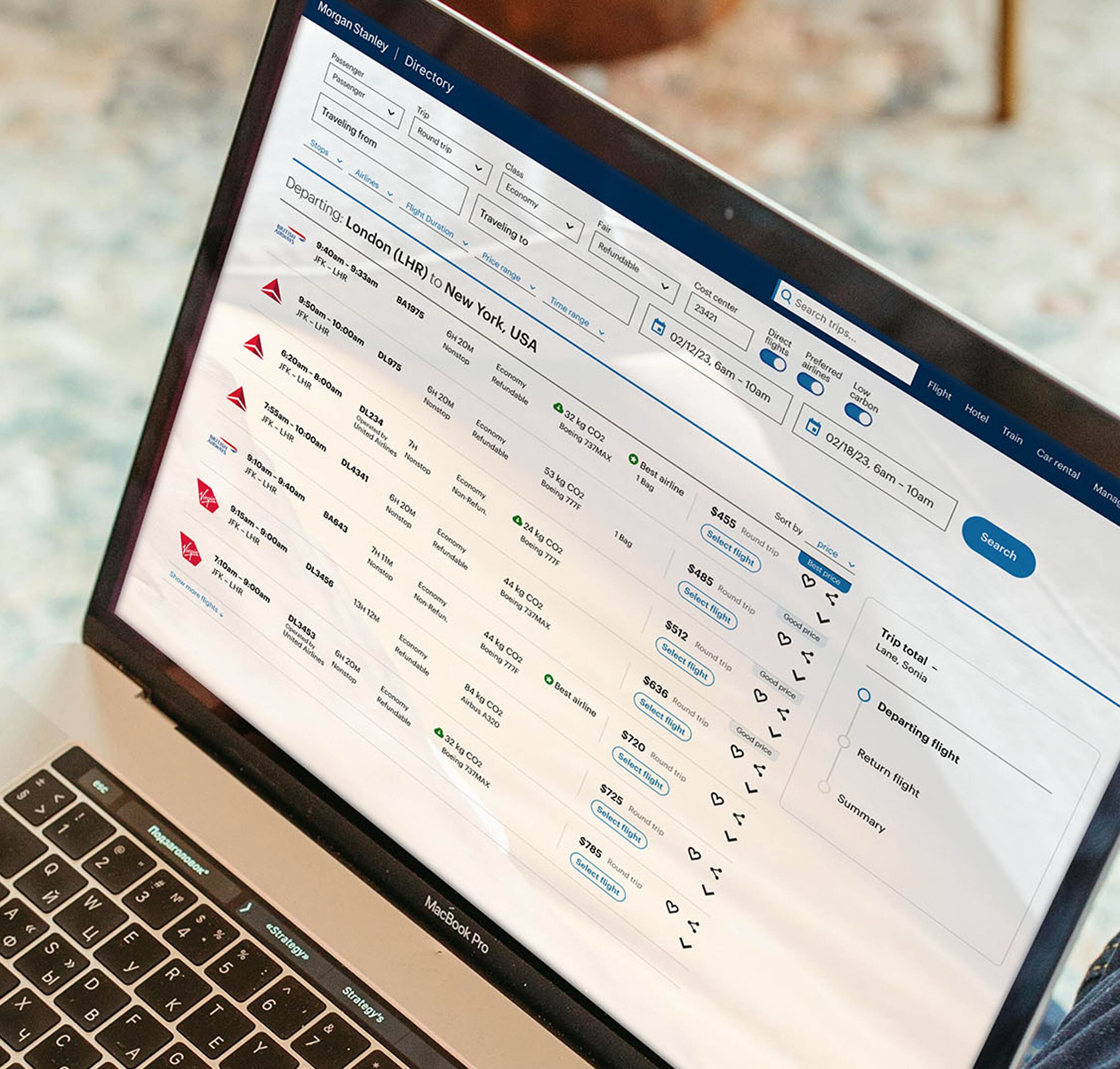
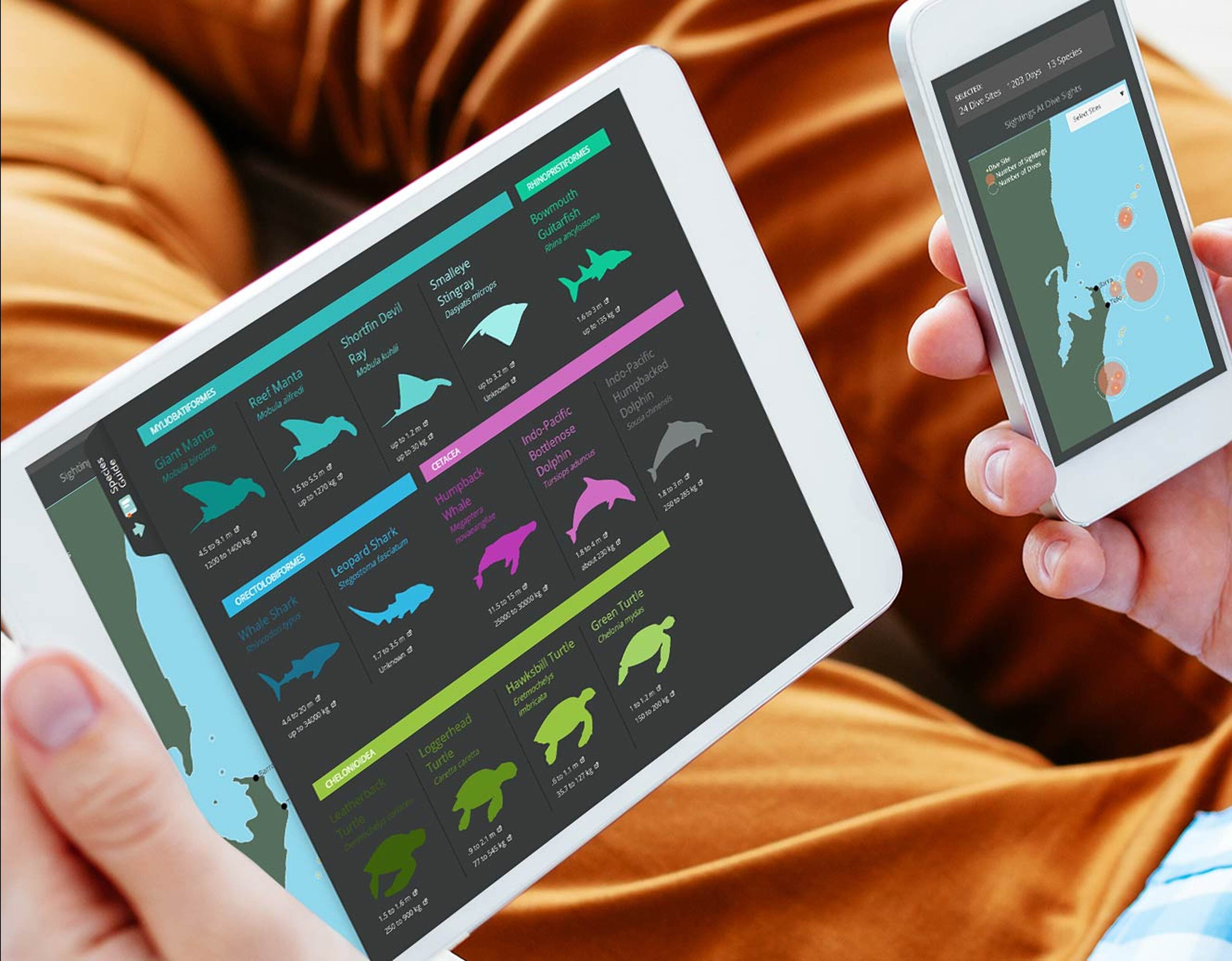
I’ve been designing and releasing digital products for over a decade. For the past 5 years I’ve mentored junior designers, managed developers, and led research. At Morgan Stanley my designs for a new travel website increased surveyed user satisfaction with the application by 75%. On the same application we reduced the time to complete critical tasks by 60% and by working with developers and leveraging existing development assets we reduced the development effort by 20%. With good collaboration these are typical gains through the design cycle. With Dive the Data, collaborating with stakeholders resulted in growing sightings data to 5 regions globally. My designs have processed billions of dollars in transactions and served millions of users.
Gather
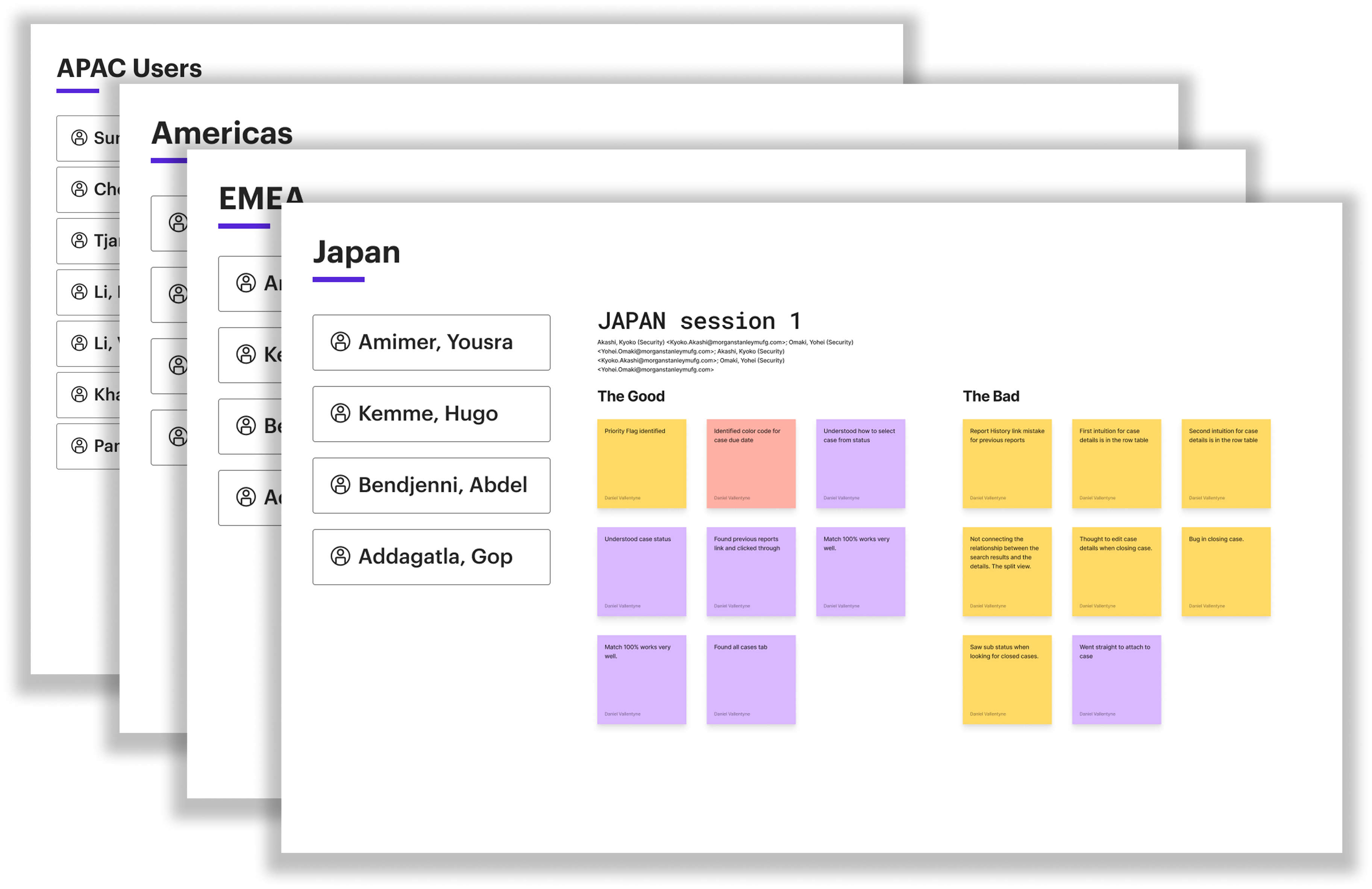
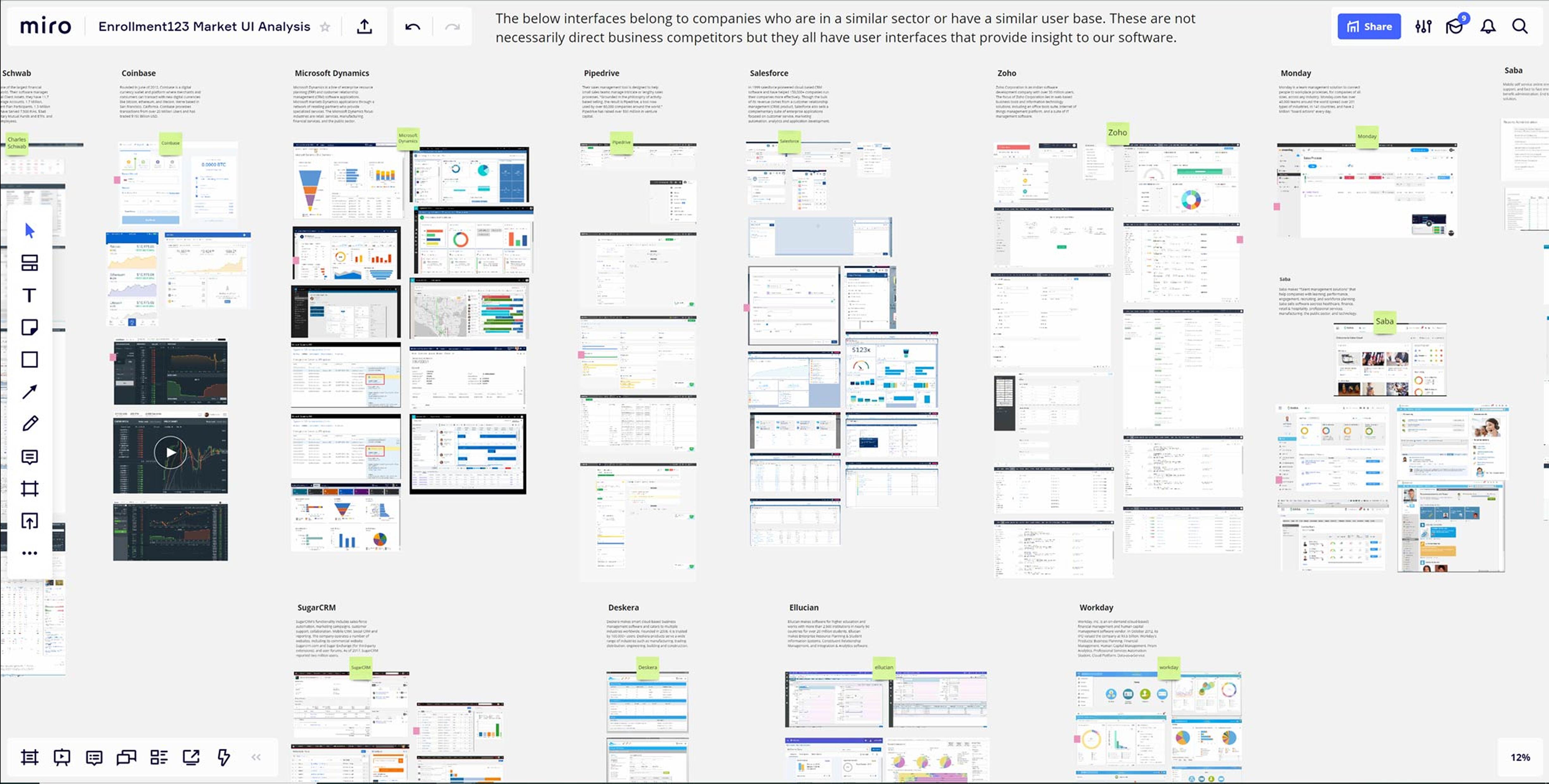
It starts and ends with solid research. Typically this is where we discover the largest gains, for example the travel app at Morgan Stanley, three quarters of all users reported the same process complaint. Preplanning with the developers at Advisor Software allowed us to release a white label system with a small team in a record timeline of 4 months. Working with the dive centers while developing Dive the Data allowed us to reduce friction and increase enrollment in the program by triple. Research should be woven throughout any project. It’s an ongoing task during the product design cycle to guide direction and ensure you are meeting goals. The requirements for new design will come from this research, and can be informal interviews, in depth observation sessions, workshops with the product’s users or developers, technical analysis… there are many options.
Alignments
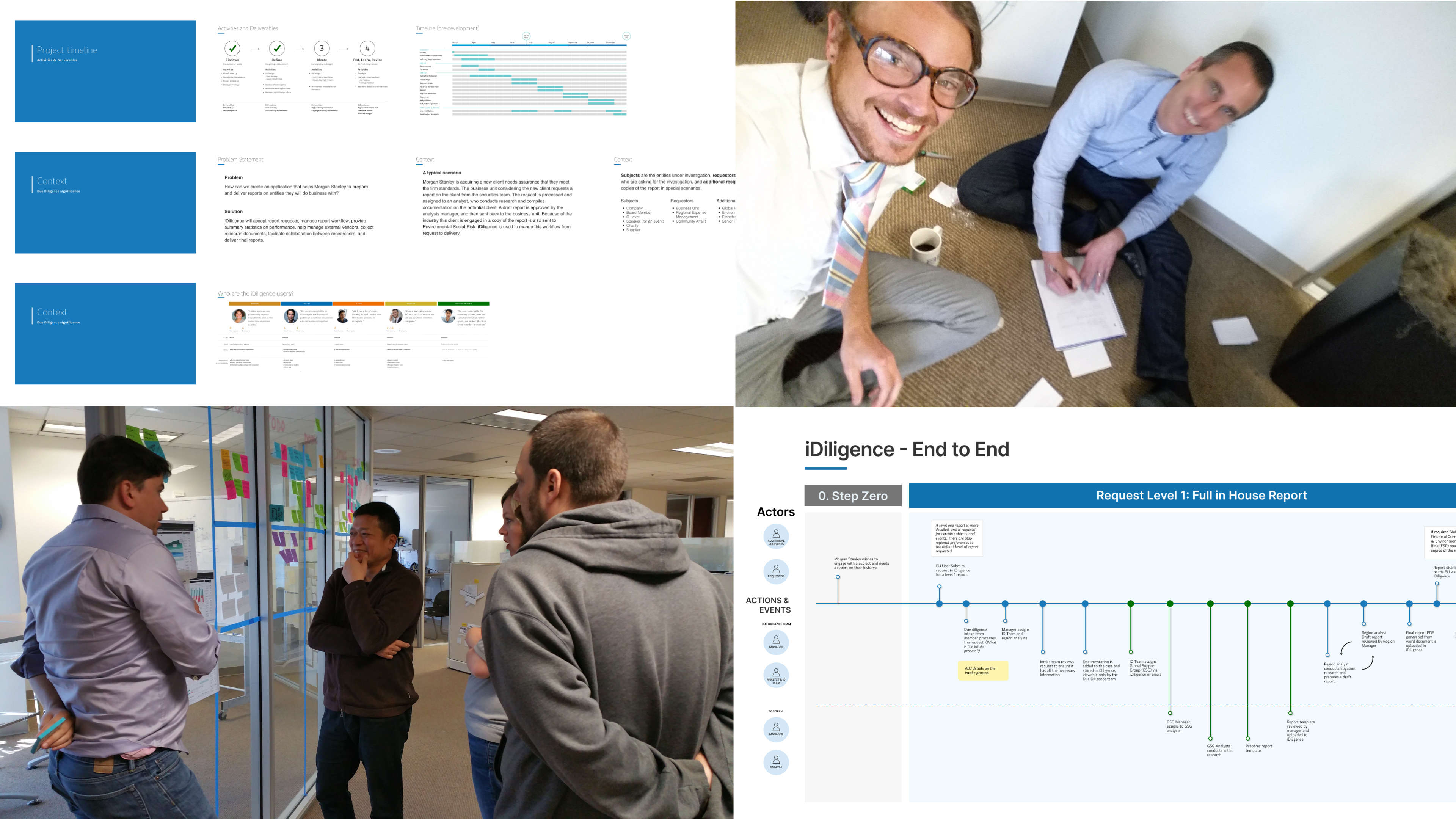
When I begin work with an application team I seek alignments between the technology that stands up the application, the business that drives it, and users that use it. Alignment comes from many directions and can be discovered through interactions, meetings, forms, interviews, or workshops with a diverse group of people orbiting the product. At Morgan Stanley finding alignments between the design systems team, the users of the application, and the application developers led to driving efficiencies in usage and development saving thousands of hours in employee effort. That works out to hundreds of thousands of dollars saved through collaboration.
Design
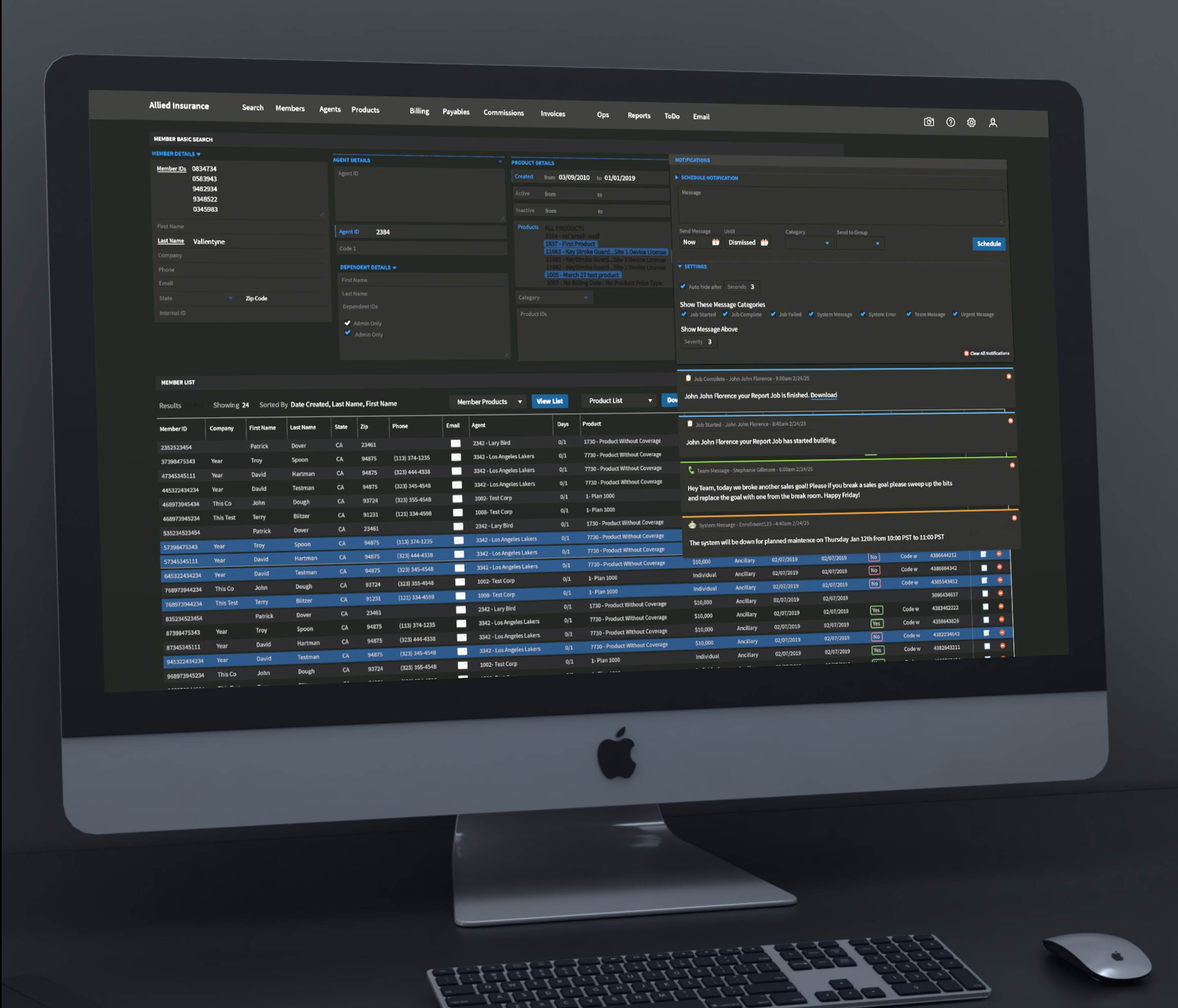
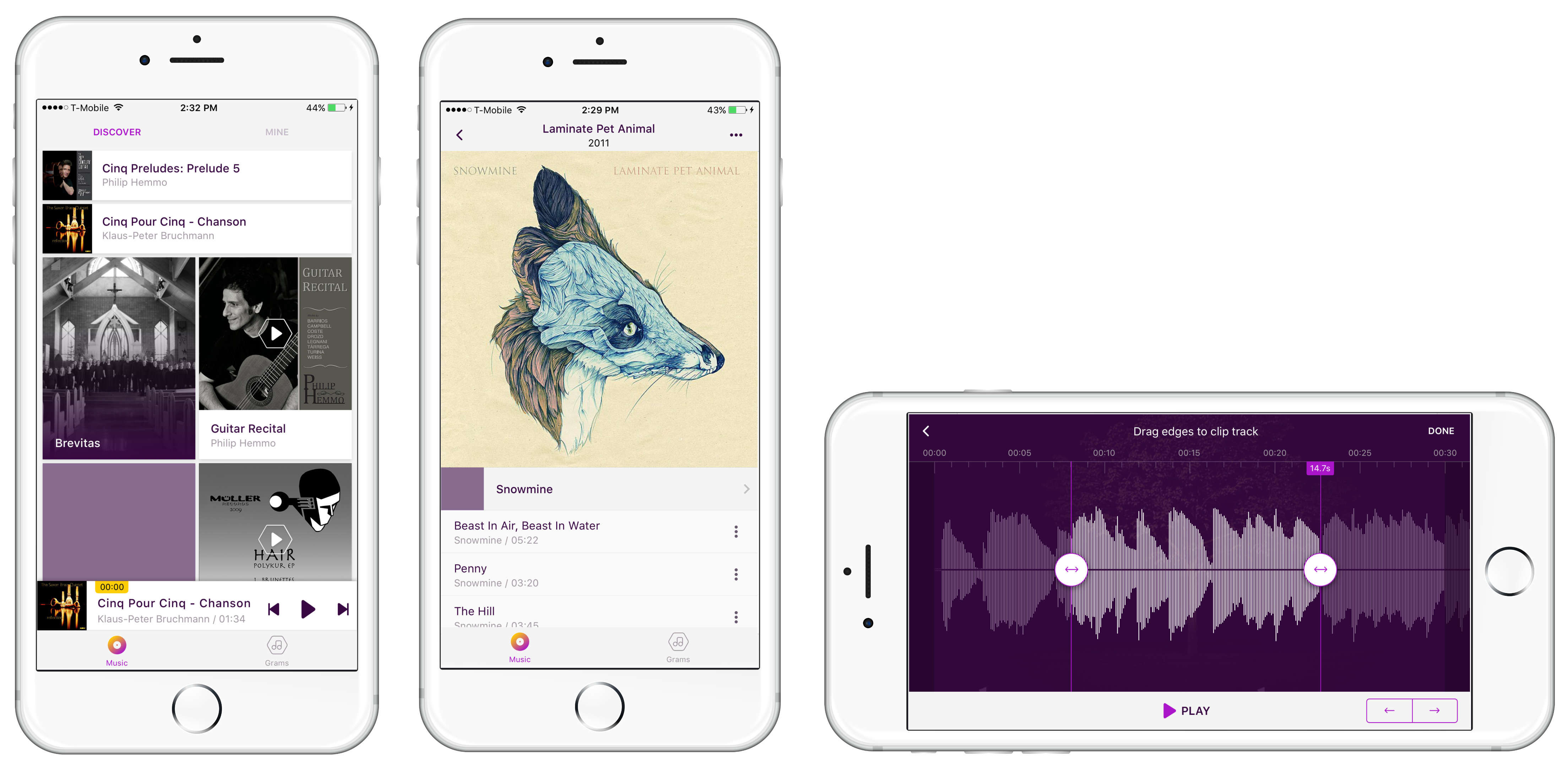
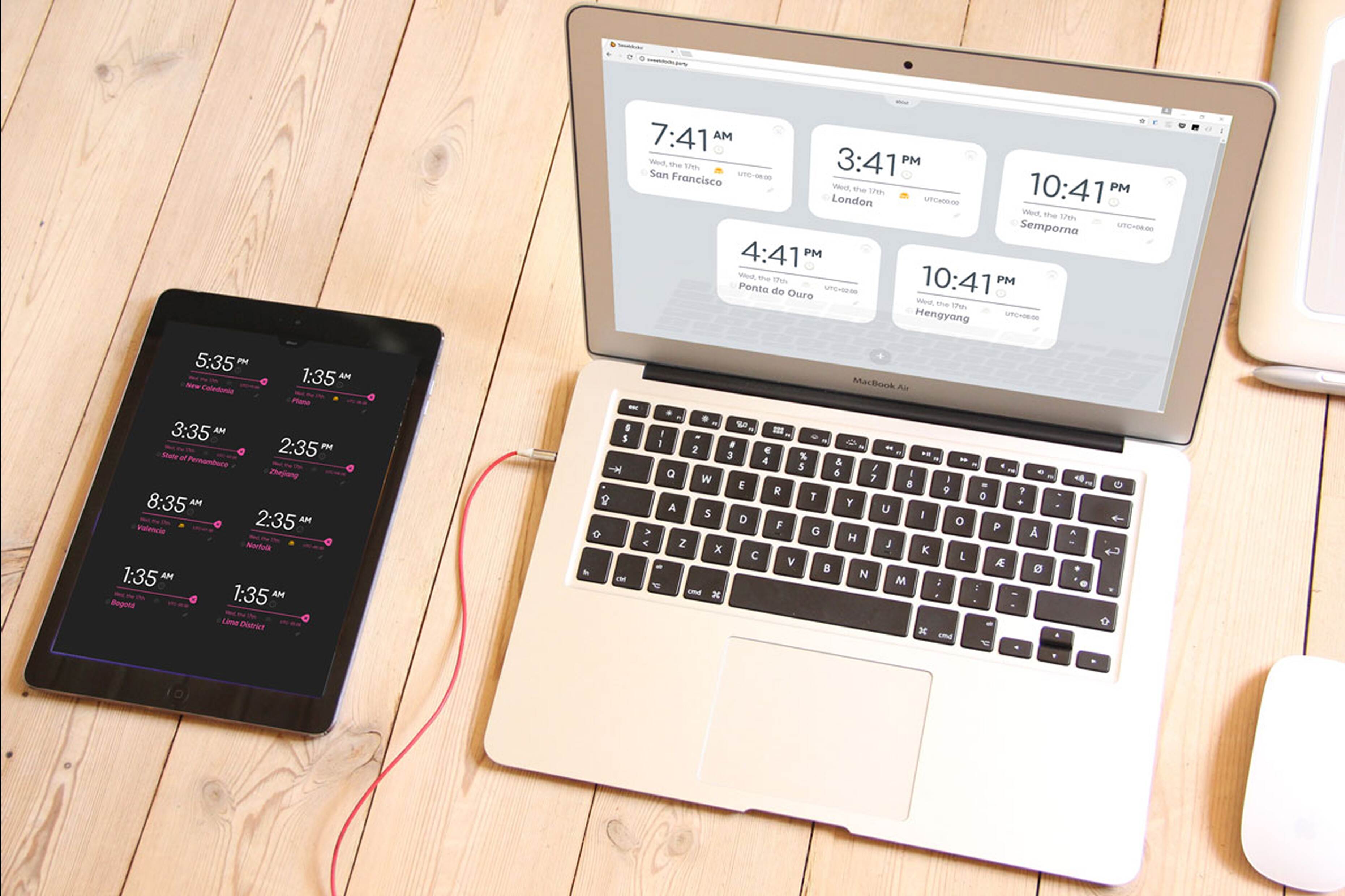
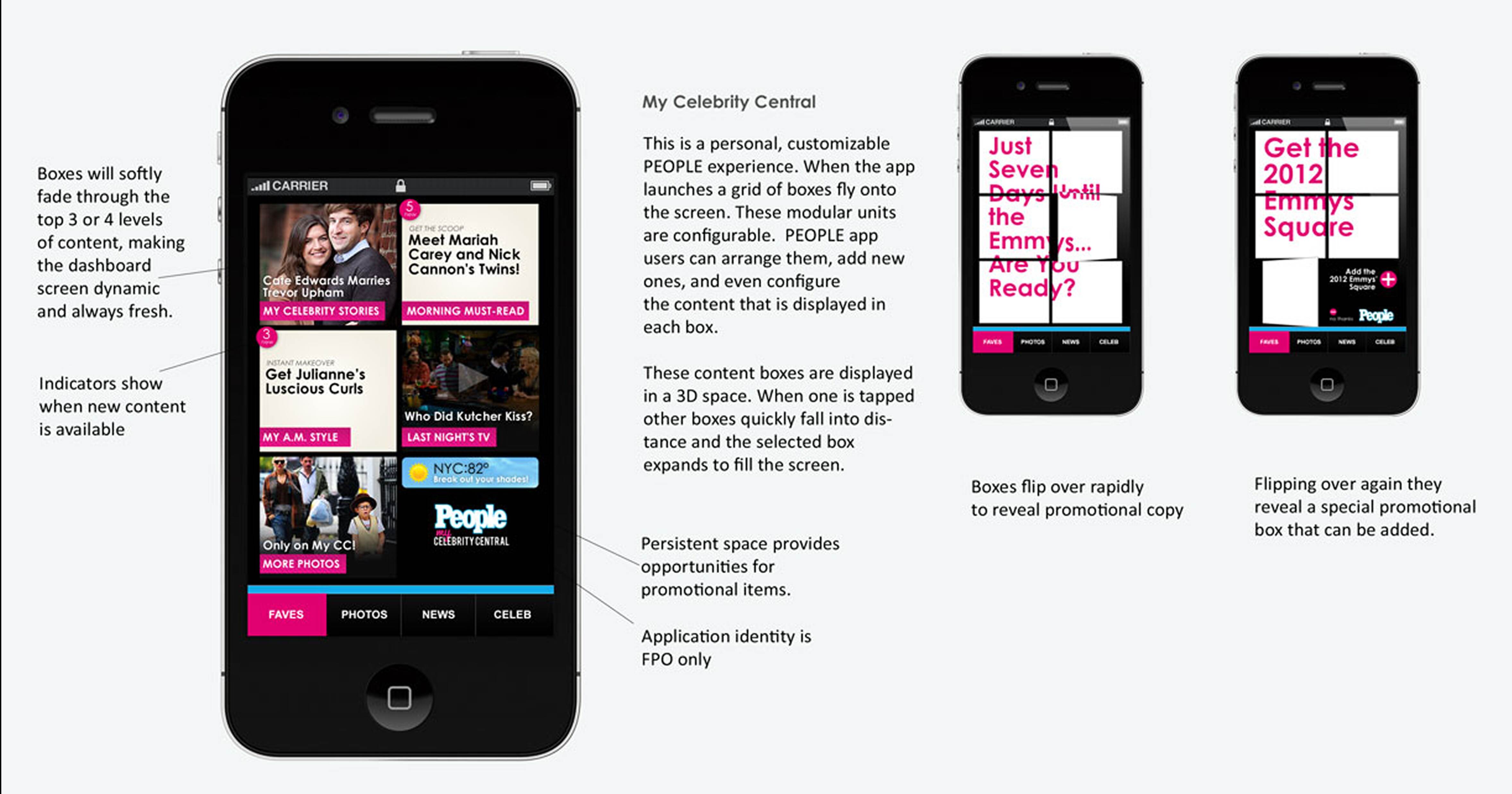
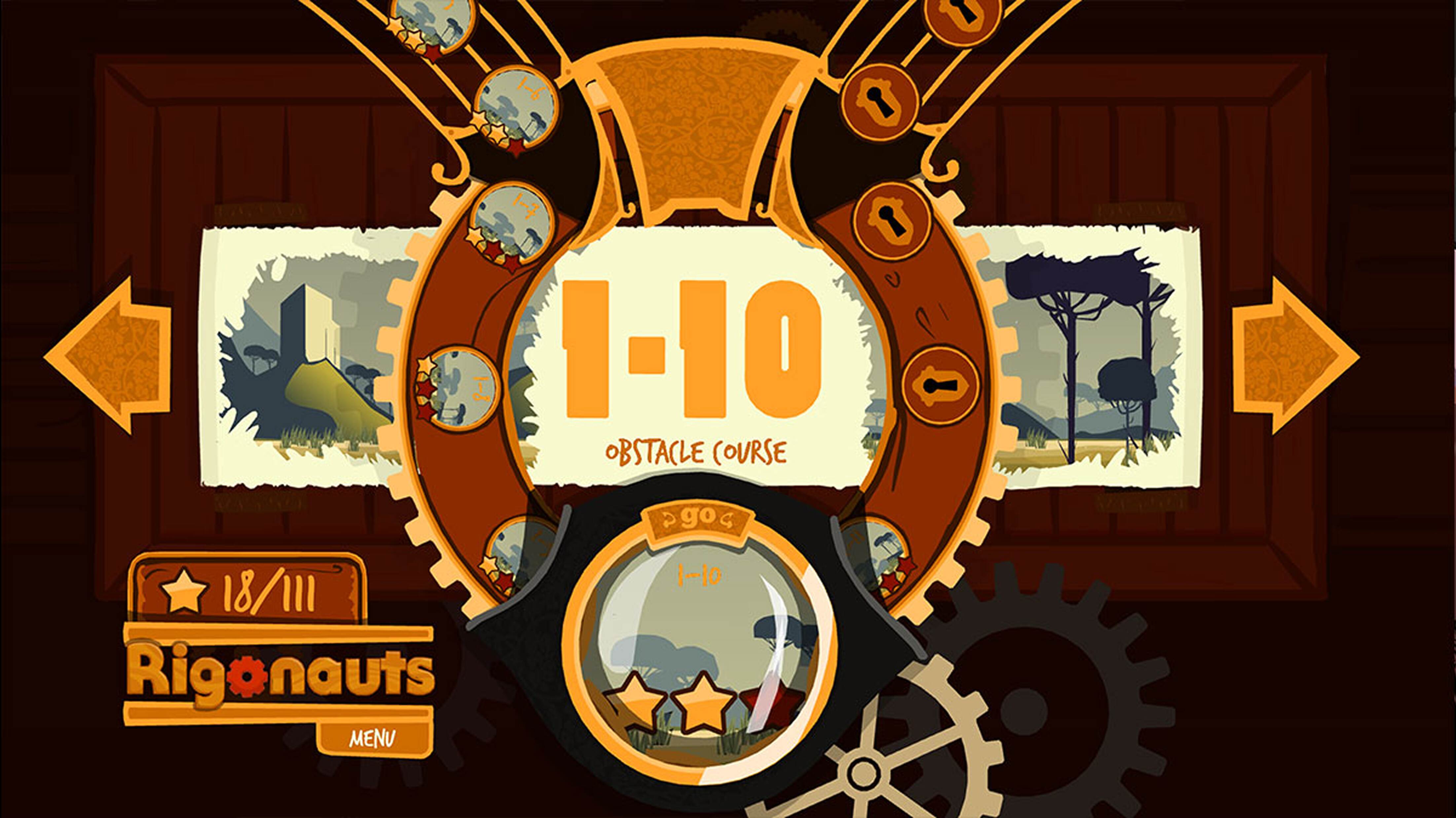
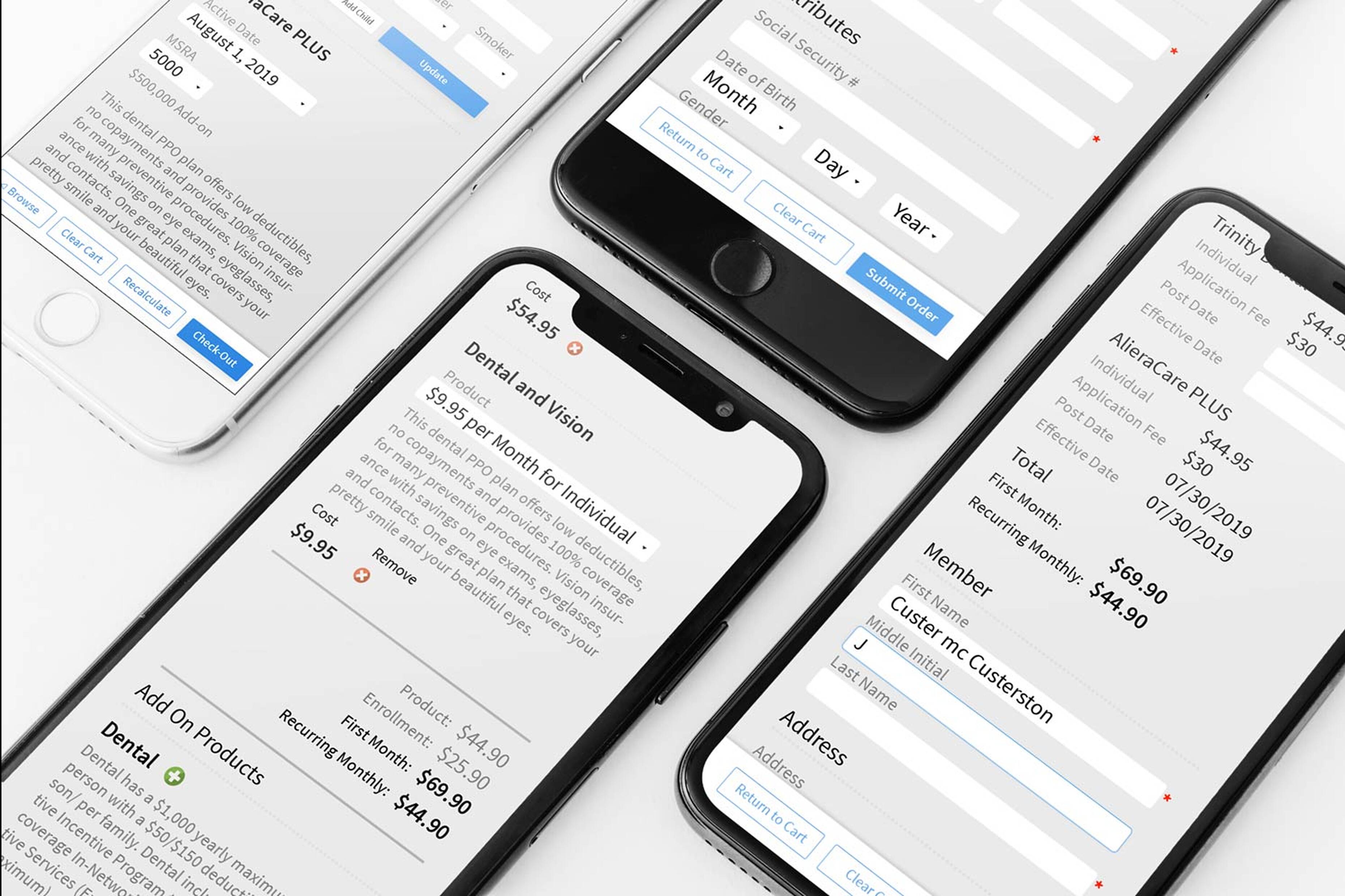
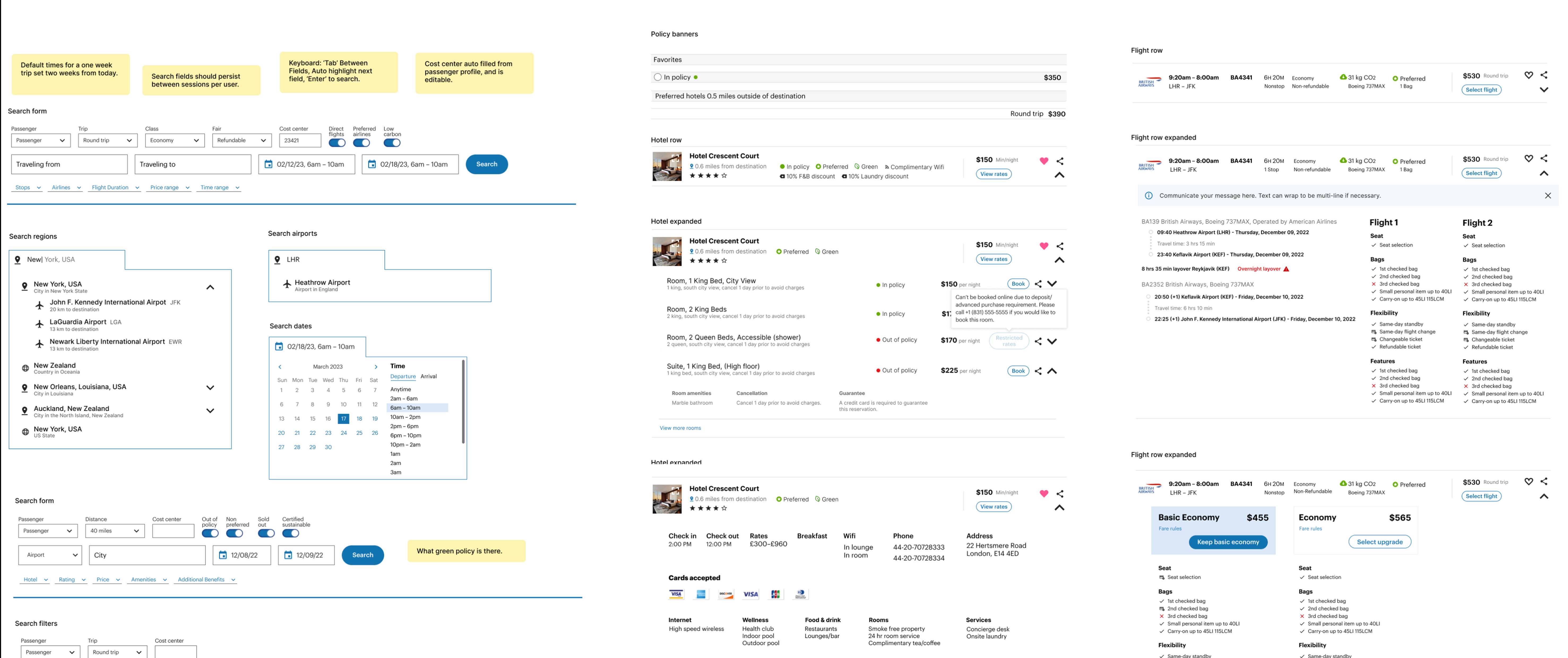
Producing design of the product is typically the majority of my engagement with clients and employers. I both lead and produce designs of the product. Design could take the form of presentations, mockups, prototypes, systems components, interface development specifications and guidelines. But fundamentally, design artifacts should guide and aid development of the product. There is no formula for which of these artifacts will be most useful or necessary for a project but my work almost always includes some interactive prototyping to enable pre-development testing. Static screens usually are in the mix as well to guide internal discussions. And design always includes anything necessary to guide the development process and reduce developer lift which typically means some kind of spec or systems library.
Develop
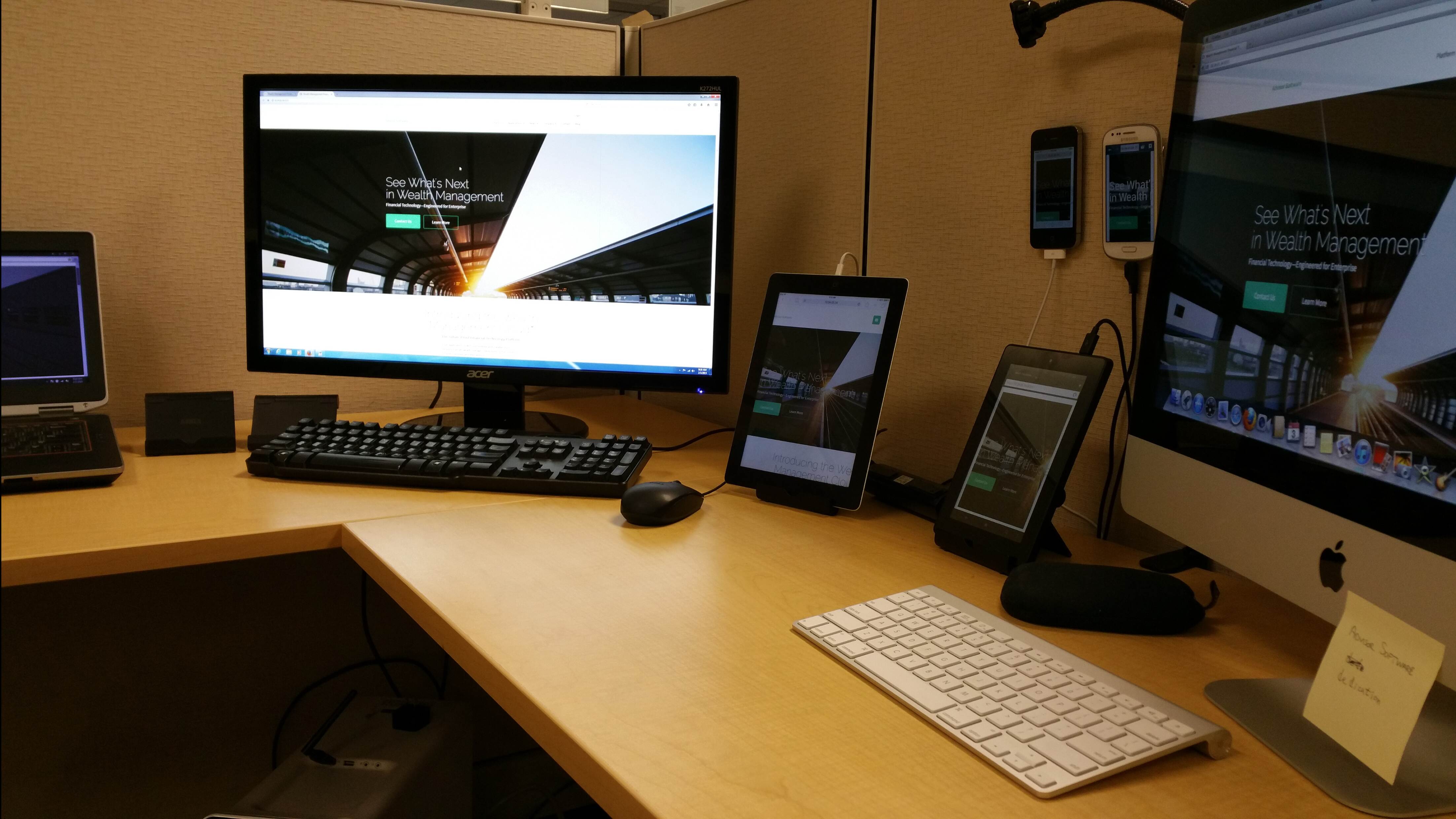
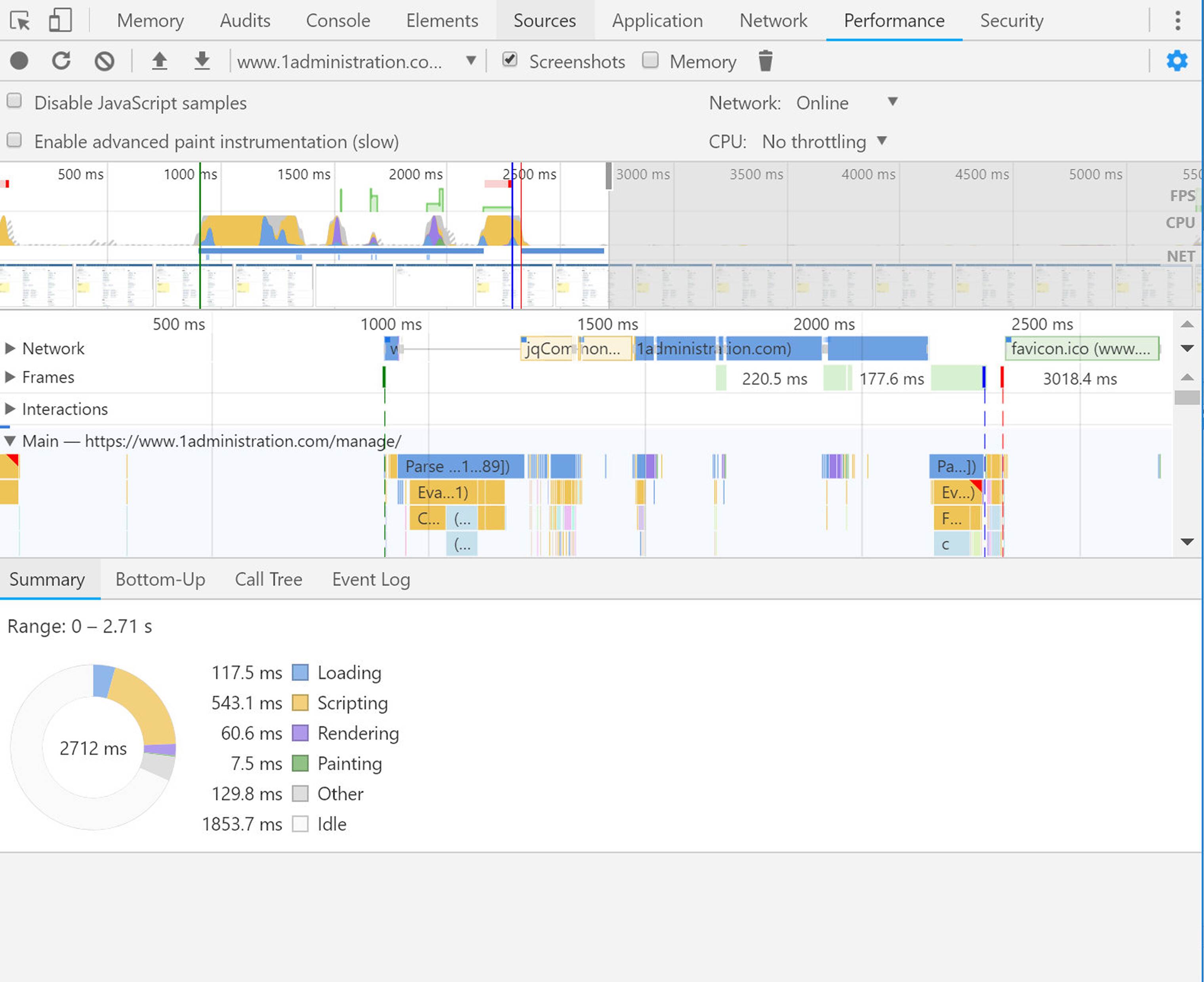
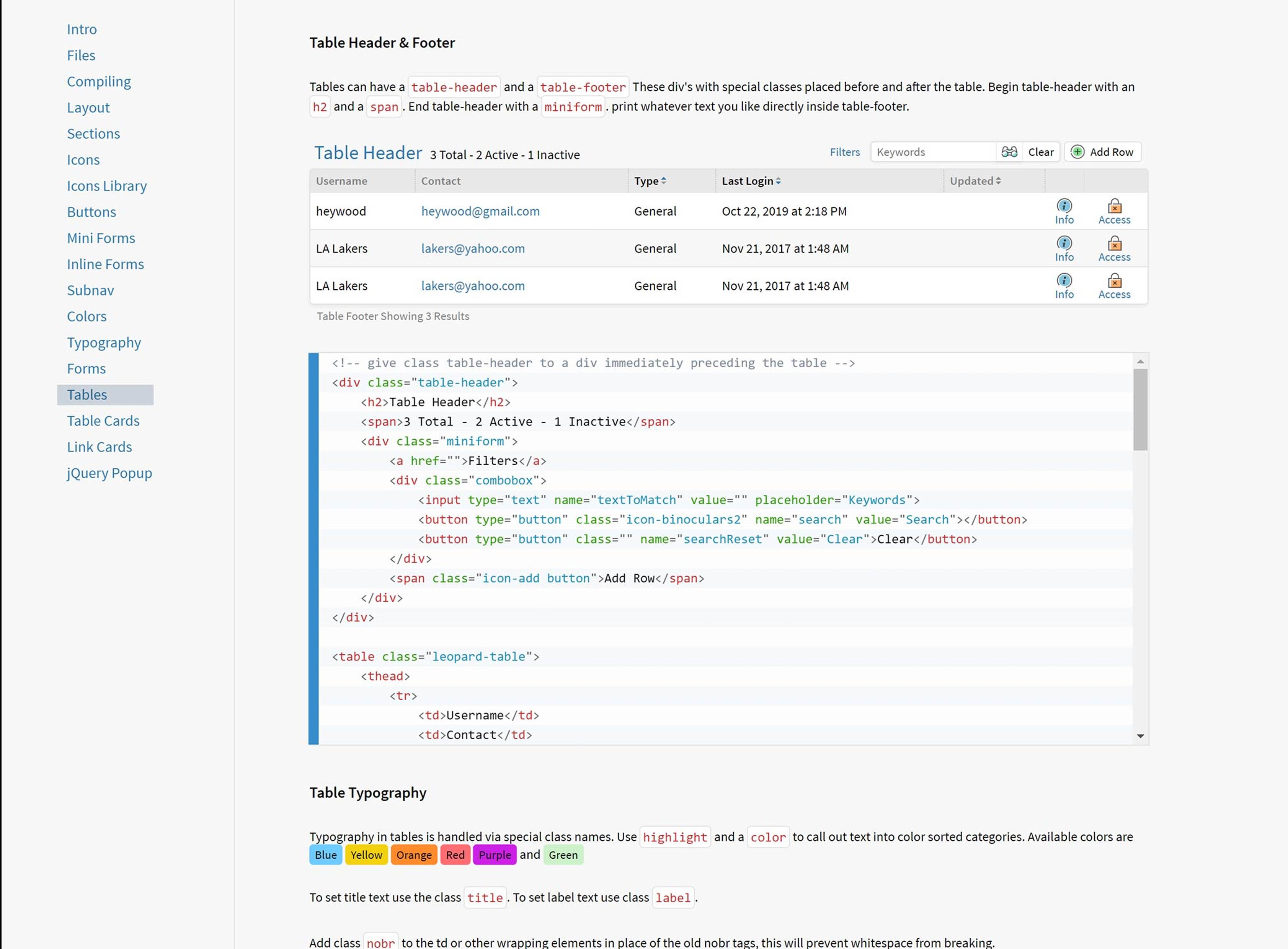
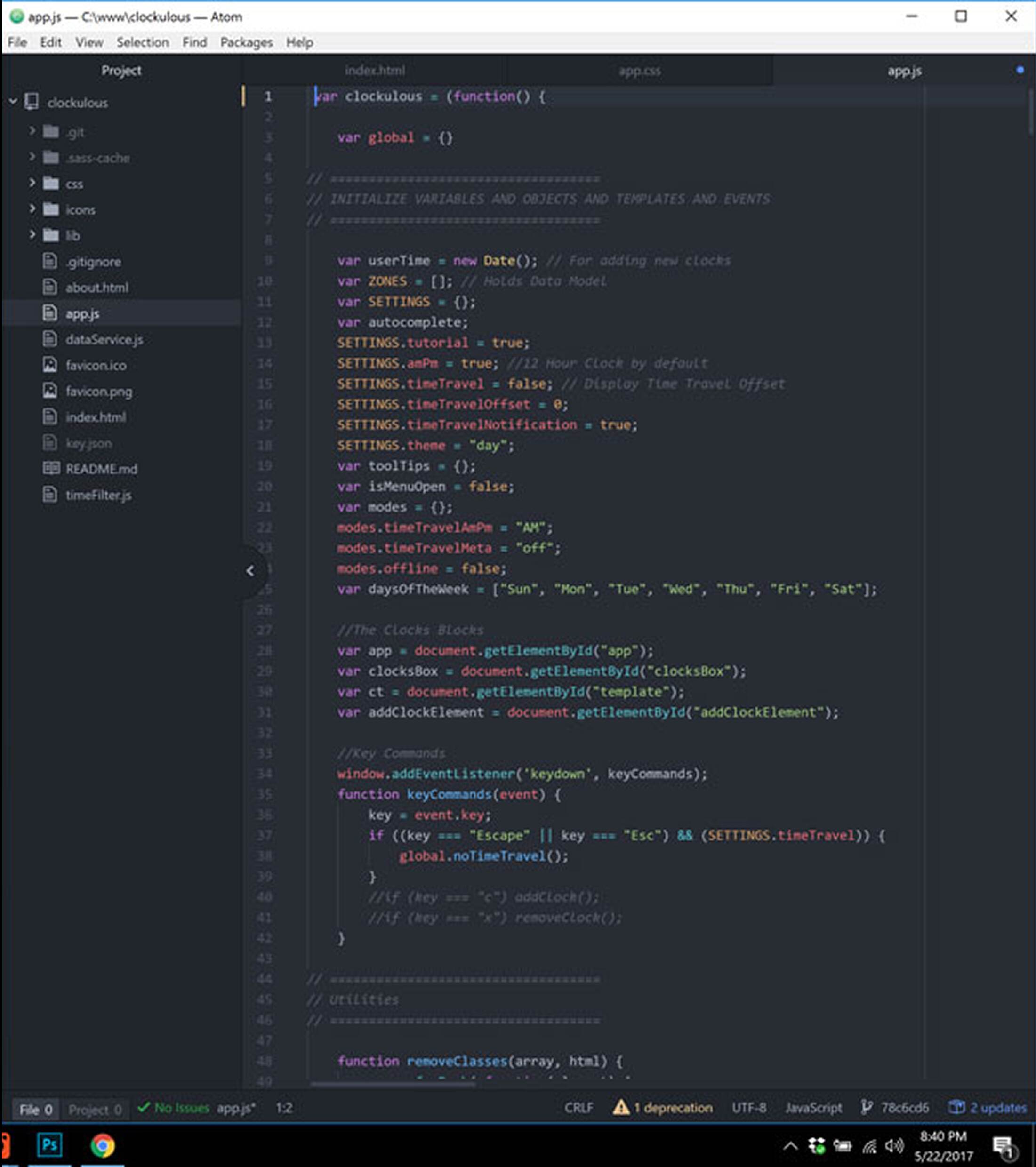
It’s through working with cross functional teams that I help achieve cross functional results in reducing the necessary efforts of the product implementation. Planning with the development team can save a lot time in implementation. And a good design system, built as a developer library multiplies the savings in effort. Leveraging existing Design Systems reduced the development time of my applications at Morgan Stanley. Working within the constraints of existing tools allowed me to launch Dive the Data with a tiny team on a tiny timeline. Leading development of the design system at Enrollment123 streamlined modernization of their existing application. Development is where things get real, so anything I can do in my work to aid development is a win for the product.
Test
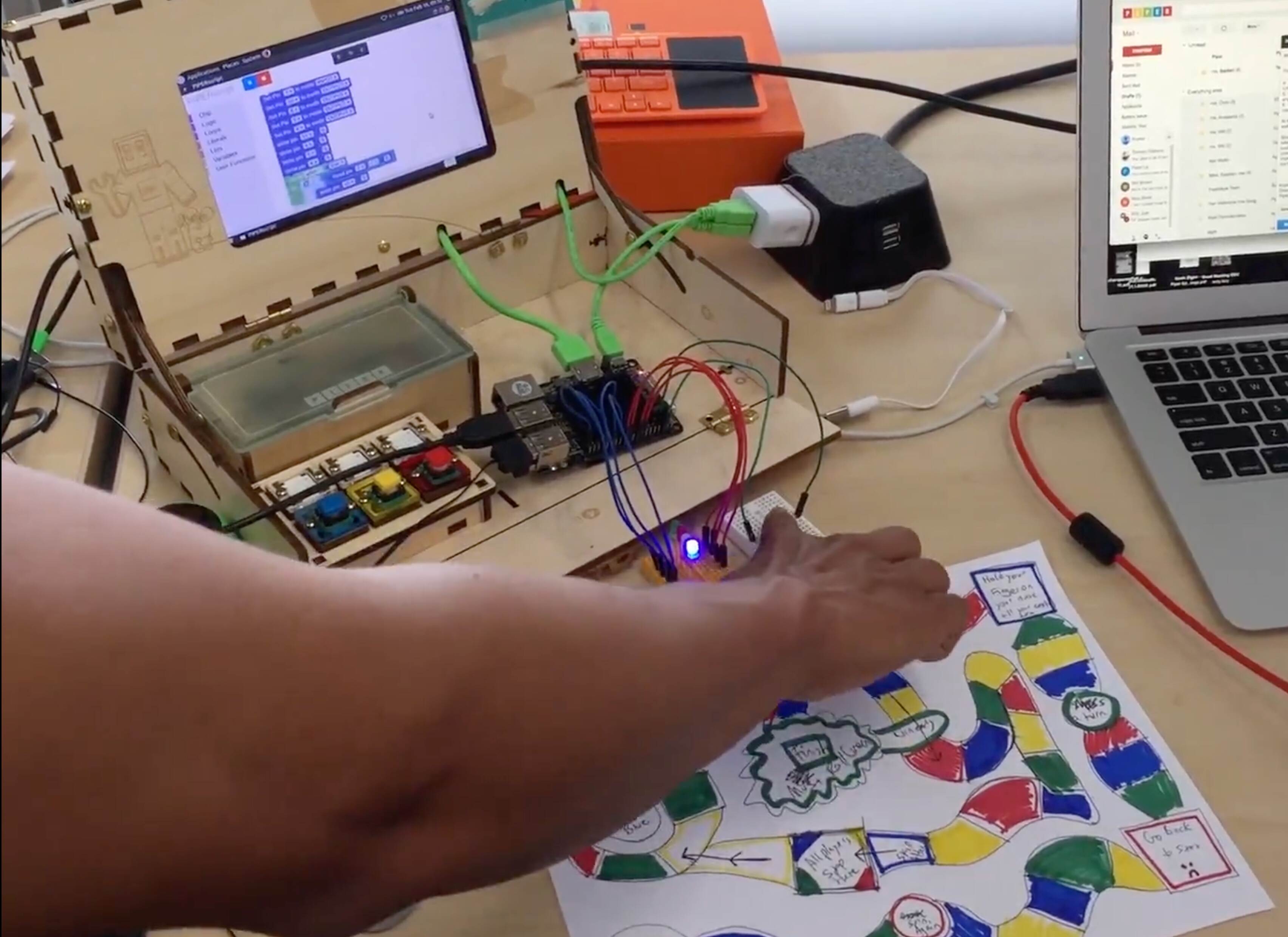
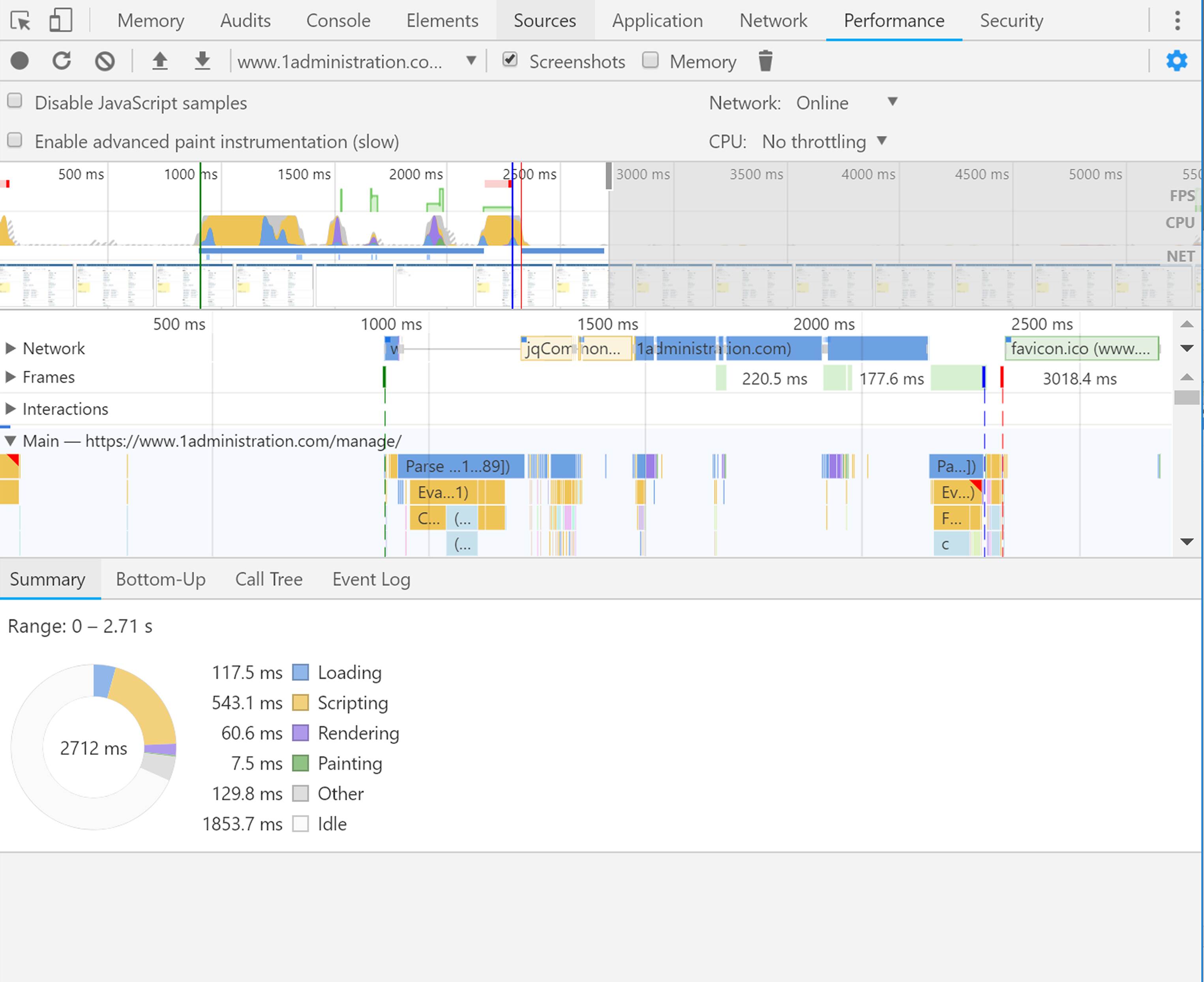
Testing is my forever friend. I observe the product in use. I analyze statistics. I test in the field. I test screens, I A/B funnels, I time workflows. I listen. I find frustrations. I find the beating heart of the product and give it blood. I heal. I find the successes and the joys in the product so we can enhance them. You can call post project research testing, or pre project testing research. The key is to do it often. At Piper computers I established relationships with nearby schools, tutoring services, and families bringing our software and hardware prototypes in-front of our users which led the design for PiperOS. At Dive the Data I visited centers around the world observing them in their workplace and leading to the design of new physical products. At Morgan Stanley I led workshops with users globally driving innovation across the many applications I developed for the firm. Always, always, test.